




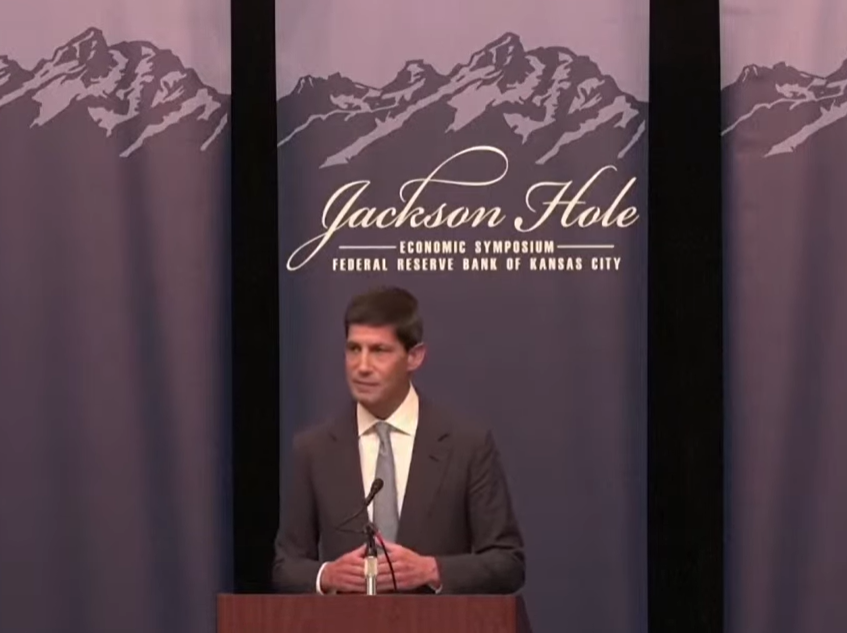

On Friday, August 28, 2026, during the Jackson Hole meetings, Federal Reserve Chairman Kevin Warsh is preparing to unveil the latest analyses on the economic performance of the United States. In a constantly evolving global economic context, market expectations are high. What measures will the Federal Reserve take to address current challenges?
With moderate GDP growth and a stable unemployment rate, the indicators seem reassuring. However, the shadow of inflation still looms. Investors are scrutinizing every word from Warsh, hoping for clarifications on the country’s economic future. This speech could very well shape financial decisions in the coming months.
Current Economic Context of the United States
Analysis of Key Economic Indicators
The United States, in 2026, faces a complex economic situation. Several key economic indicators help assess the situation:
- GDP: The growth of gross domestic product is a crucial indicator. In 2026, the GDP of the United States shows a moderate growth of 2.5%.
- Unemployment Rate: The unemployment rate is stable at 4%. This indicates a relatively healthy economy.
- Consumption: Household spending continues to grow, supported by rising wages.
These indicators provide an overview, but it is essential to analyze them together to understand the economic performance.
Impact of Inflation on Economic Growth
Inflation remains a concern. In 2026, the inflation rate is estimated at 3.8%. This has several effects on economic growth:
- Cost of Living: Rising prices affect consumers’ purchasing power.
- Interest Rates: The Federal Reserve may increase interest rates to combat inflation, which could slow down economic growth.
- Investments: High inflation may make businesses more cautious in their investments.
It is therefore essential to monitor the evolution of inflation and its impact on the American economy. Kevin Warsh will address these crucial issues at the Jackson Hole meetings.
The Stakes of Kevin Warsh’s Speech
Market Expectations
The speech of Kevin Warsh at the Jackson Hole meetings raises numerous expectations. Market players are seeking indications about the upcoming economic measures of the Federal Reserve. Here are some key expectations:
- Monetary Policy: Investors want to know if adjustments to interest rates are to be expected.
- Inflation: Clarifications on inflation management are crucial.
- Economic Growth: Growth prospects strongly influence investment decisions.
Main Concerns of Investors
Investors have several concerns that could influence their choices. Among these are:
- Economic Instability: The fear of a recession remains present.
- Debt Levels: The level of household and business debt is closely monitored.
- Labor Market: Unemployment rates and job quality are important indicators.
Warsh’s speech will therefore need to address these issues to reassure markets and investors.
The Implications of a New Rate Hike
Consequences for Borrowers and Consumers
A new increase in interest rates by the Federal Reserve could have several consequences for borrowers and consumers. Here are some points to consider:
- Increased loan costs: Borrowing, whether for a mortgage or an auto loan, will become more expensive.
- Reduced Consumption: With higher interest payments, consumers may cut back on spending.
- Impact on Credit Cards: Credit card interest rates could also rise, leading to higher repayments.
In summary, borrowers could face increased financial pressure, which could slow down the economy.
Reactions of Financial Markets
Financial markets often react quickly to an announcement of a rate hike. Here are some typical reactions:
- Increased Volatility: Stock markets may experience significant fluctuations.
- Strengthening of the Dollar: A rate hike often attracts foreign investors, strengthening the dollar’s value.
- Impact on Bonds: Bond yields may increase, which can affect the cost of financing for businesses.
These reactions are crucial to monitor as they can influence the economy as a whole.
Long-Term Economic Outlook
Growth Forecasts
During his presentation at Jackson Hole, Kevin Warsh highlighted growth forecasts for the United States in the coming years. Experts estimate that growth could reach 2.5% per year, supported by several factors.
Among these factors are:
- Increased investments in infrastructure
- Continuous technological innovation
- Strong domestic demand
These elements should help maintain economic stability in the long term, even in the face of global challenges.
Role of the Federal Reserve in the Economy
The Federal Reserve, under Kevin Warsh’s leadership, plays a crucial role in the American economy. Its main objective is to maintain price stability and promote full employment.
To achieve these goals, the Federal Reserve uses several tools, such as:
- Monetary policy, which influences interest rates
- Regulation of banks to ensure the health of the financial system
- Asset purchase programs to inject liquidity into the economy
With these measures, the Federal Reserve aims to create a stable economic environment conducive to growth and innovation.
Comparison with Other Developed Economies
Position of the United States Compared to Europe
The United States stands out from European countries in terms of economic growth and monetary policy. While Europe faces challenges such as an aging population and slow growth, the United States benefits from dynamism in innovation and a more flexible labor market.
The interest rates set by the Federal Reserve strongly influence the American economy. In comparison, the European Central Bank adopts a more cautious approach. This creates a notable difference in how the two regions respond to economic crises.
The Case of Asian Markets
Asian markets, particularly China and Japan, show different characteristics. China is experiencing rapid growth but faces issues such as debt and trade tensions. On the other hand, Japan struggles with deflation and a low birth rate.
The United States, with its technological innovation, attracts foreign investments. This contrasts with some Asian countries, where trade barriers can hinder economic growth.
Overall, the comparison highlights the unique position of the United States on the global stage.
Conclusion and Recommendations
Strategies for Investors
The recent statements by Kevin Warsh at the Jackson Hole meetings provide interesting insights for investors. Here are some strategies to consider:
- Diversification of portfolios to mitigate risks.
- Monitoring interest rates and their impact on stocks and bonds.
- Investing in sectors resilient to economic fluctuations.
By staying informed about economic trends, investors can better adjust their choices.
Importance of Regular Monitoring of Economic Indicators
Regular monitoring of economic indicators is essential for making informed decisions. Here are some key indicators to watch:
- Growth rate of GDP.
- Inflation and consumer price index.
- Unemployment rate and labor market.
This data allows for anticipating changes in the economy and adjusting investment strategies accordingly.


