




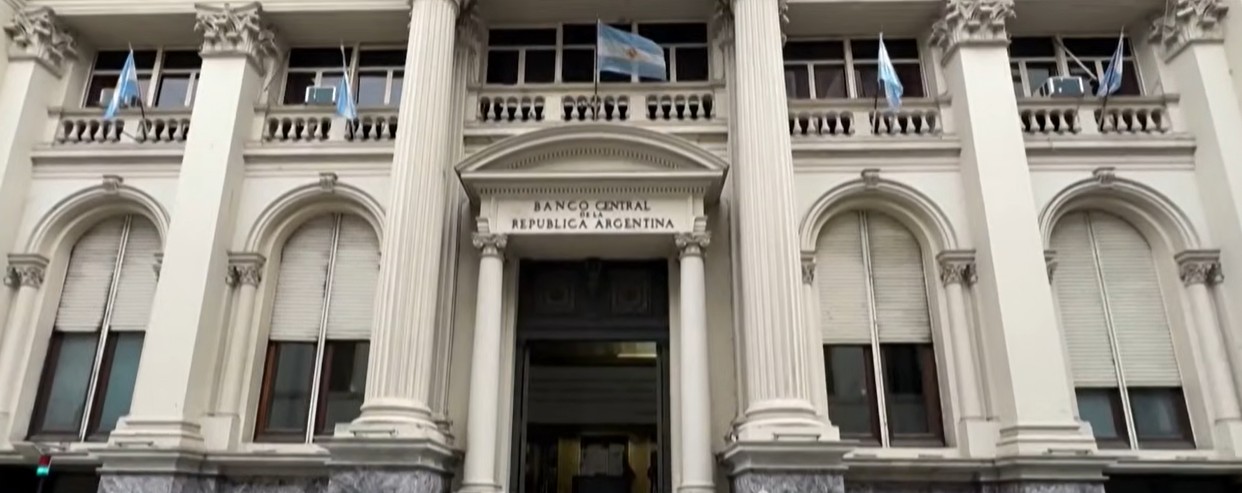

The reform of the Central Bank of Argentina is attracting particular attention. The House of Representatives has validated Javier Milei's plan, a decisive step in the fight against rampant inflation that affects the daily lives of Argentinians. With the Senate's green light expected this Friday, August 28, 2026, Argentina's economic future could take a major turn.
This reform aims to rectify a critical situation. The proposed measures are ambitious and could restore investor confidence. The stakes are high, and reactions are already palpable in the markets. Argentina is at a crossroads, and every decision counts.
In this article, we will explore in depth the implications of this reform, its objectives, and its potential impact on the Argentine economy.
Context of the Central Bank of Argentina Reform
The Central Bank of Argentina plays a crucial role in the country's economy. It is responsible for monetary regulation, managing reserves, and fighting inflation. However, in recent years, Argentina has experienced high inflation, jeopardizing economic stability.
The new president, Javier Milei, has proposed a bold reform to rectify the situation. His plan aims to strengthen the independence of the Central Bank and implement strict measures against inflation. The goal is to restore trust among investors and citizens in the national currency.
Current Economic Challenges
The country faces numerous challenges, including:
- High inflation: Currently, inflation exceeds 100% annually.
- Currency devaluation: The Argentine peso has lost much of its value.
- Consumer confidence: Argentinians are distrustful of financial institutions.
These factors make reform necessary for stabilizing the economy and restoring confidence.
Goals of the Reform
The reform of the Central Bank aims at several key objectives:
- Independence: Ensure that the Central Bank is not influenced by the government.
- Monetary stability: Reduce inflation to an acceptable level.
- Transparency: Improve communication and transparency of economic decisions.
These measures are essential for building a sustainable economic future for Argentina.
Javier Milei's Plan to Combat Inflation
Proposed Measures by Milei

Javier Milei, President of Argentina
As the new president of Argentina, Javier Milei has presented an ambitious plan to fight rampant inflation. His measures aim to restore confidence in the Argentine economy and stabilize the currency. Here are some of the key measures:
- Independence of the Central Bank: Strengthen the autonomy of the Central Bank so it can act without political pressure.
- Strict monetary policy: Limit the printing of money to reduce the devaluation of the peso.
- Reduction of public spending: Decrease government expenditures to balance the budget.
- Price stabilization: Implement measures to prevent excessive price increases on essential goods.
Economic Goals
Milei's objectives are clear. He aims to:
- Reduce inflation: Move from a high rate to a more acceptable rate for citizens.
- Restore trust: Rebuild Argentinians' faith in their economy.
- Attract investments: Encourage businesses to invest in Argentina through a stable economic environment.
- Improve living standards: Ensure that citizens can buy what they need without fear of exorbitant prices.
These measures and objectives aim to transform the Argentine economy and put an end to years of economic crisis.
Impact of the Reform on the Argentine Economy
Inflation Forecasts for 2026
The reform of the Central Bank of Argentina is eagerly anticipated. It aims to reduce inflation, which has reached alarming levels in recent years. Experts estimate that if Javier Milei's plan is implemented correctly, inflation could drop to around 20% by the end of 2026.
This forecast is based on several key factors:
- Strengthened monetary control
- Increased political stability
- Reduction of public spending
These measures should help stabilize the national currency and restore consumer confidence.
Market and Investor Reactions
Investors are already reacting to the announcement of the reform. Financial markets show signs of optimism. The stocks of certain Argentine companies have increased, indicating renewed interest in the country's economy.
Here are some notable reactions:
- Foreign investors are showing interest in the Argentine market.
- Financial analysts praise the measure as a step towards economic stability.
However, some remain cautious. They emphasize that the success of this reform will depend on its implementation and political reactions. The green light from the Senate will be crucial for Argentina's economic future.
Expectations of the Senate and the Legislative Process
Political Challenges to Overcome
The reform of the Central Bank of Argentina will not be a smooth path. Several political challenges stand in the way of Javier Milei's plan. Firstly, opposition within the Senate could slow down the approval of this crucial reform.
Among the main challenges are:
- Disagreements among political parties.
- The need to convince skeptical senators.
- Economic concerns of the provinces.
Milei's ability to navigate this political landscape will be essential for the success of his reform.
Importance of Senate Support
Senate support is fundamental for the implementation of this reform. Without a favorable majority, the plan risks being modified or rejected. The Senate has the power to:
- Amend the reform text.
- Delay the legislative process.
- Influence public opinion on the necessity of the reform.
It is therefore crucial for Javier Milei to engage in constructive dialogue with senators. This could include compromises or adjustments to the initial plan. Effective collaboration between the government and the Senate could be key to succeeding in the fight against inflation in Argentina.
Comparison with Other Economic Reforms in Latin America
The reform of the Central Bank of Argentina led by Javier Milei is part of a broader context of economic changes in Latin America. Several countries in the region have already attempted similar reforms to combat inflation and stabilize their economies.
Notable Reform Examples
Here are some examples of economic reforms that share similarities with Argentina's:
- Chile (1973): The reform of monetary policy under Pinochet was marked by significant liberalization and a reduction in the role of the state in the economy.
- Brazil (1994): The Real Plan was introduced to stabilize the Brazilian economy by replacing the old currency with a new one, which helped control inflation.
- Uruguay (2002): Following an economic crisis, the country adopted austerity measures and strengthened the independence of its central bank.
These reforms show that central bank independence and inflation control are recurring themes in Latin America. Each country has adopted different approaches depending on its economic and political context.
Lessons to Learn
Economic reforms in Latin America offer several lessons for Argentina:
- The necessity of clear communication with the public to explain changes.
- Political collaboration is essential to ensure the sustainability of reforms.
- Adjustments may be necessary based on market and public reactions.
By observing these examples, Argentina could better navigate its own reform and avoid the pitfalls encountered by other countries.
Conclusion: Future Perspectives for Argentina
The reform of the Central Bank of Argentina proposed by Javier Milei represents a major turning point in the fight against the inflation that has affected the country for years. By validating this plan, the Chamber of Deputies has sent a strong signal about the desire for change.
If the Senate gives its approval, several consequences are to be expected:
- Economic stability: An effective reform could stabilize the currency and the financial system.
- Investor confidence: The adoption of serious measures could attract foreign investments.
- Improvement in purchasing power: The fight against inflation could allow Argentinians to better manage their daily budgets.
However, challenges remain. The implementation of the plan will require political support and rigorous management. Furthermore, the global economic situation could influence the outcomes. Argentina must navigate cautiously.
In summary, Argentina's future will depend on its leaders' ability to implement bold reforms and restore public trust. The coming months will be crucial.


