




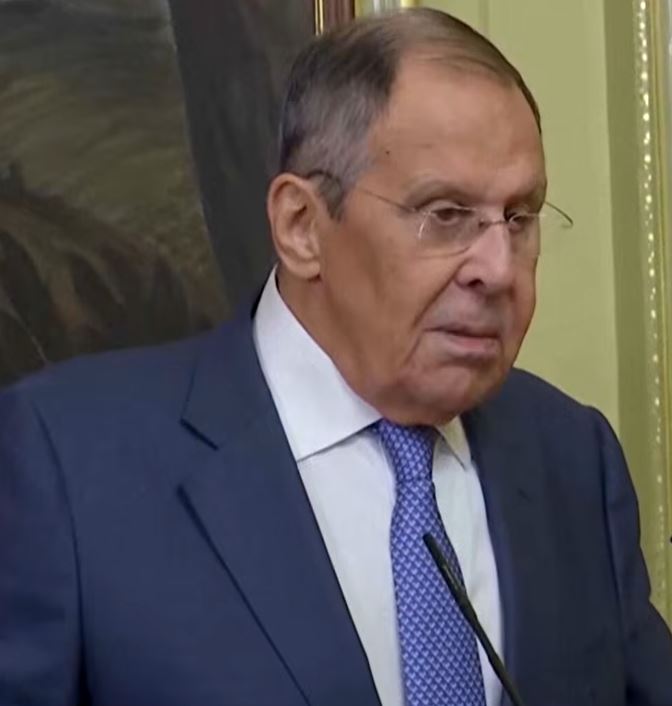

On Monday, October 12, 2026, Sergey Lavrov, Minister of Foreign Affairs of the Russian Federation, caused shockwaves by stating that Volodymyr Zelensky does not deserve a truce. This assertion comes as a sixty-day ceasefire is proposed to allow elections in Ukraine. Why such a position when peace seems so necessary?
In an already tense context, this statement raises crucial questions about the legitimacy of the Ukrainian president and the political future of the country. The implications of these remarks extend far beyond Ukrainian borders and touch on regional stability.
Stay with us to explore the stakes behind this declaration and the potential consequences for Ukraine and its relations with Russia.
Context of Sergey Lavrov’s Statement
History of Relations Between Russia and Ukraine
The relationship between Russia and Ukraine is complex and tense. Since Ukraine’s independence in 1991, several events have marked this relationship:
- Annexation of Crimea in 2014: This event triggered a major crisis and armed conflict in eastern Ukraine.
- Donbass Conflict: The war between Ukrainian forces and Russian-backed separatists has resulted in thousands of deaths.
- International Sanctions: Russia has faced sanctions due to its actions in Ukraine, exacerbating tensions.
Current Political Issues in Ukraine
In 2026, the political situation in Ukraine is particularly tense. Several issues are emerging:
- Upcoming Elections: Elections are scheduled, and a ceasefire is proposed to ensure their smooth conduct.
- Role of the West: The influence of Western countries on Ukraine is growing, complicating relations with Russia.
- Internal Reforms: Ukraine faces economic and social challenges that require urgent reforms.
Sergey Lavrov, as Minister of Foreign Affairs, expresses Russia’s position on these issues and the overall situation in Ukraine.
Analysis of Lavrov’s Statements
Interpretation of Russian Declarations
Statements made by Sergey Lavrov regarding Volodymyr Zelensky are significant. By asserting that Zelensky does not deserve a truce, Lavrov emphasizes a firm position from the Russian Federation. This declaration comes at a time when a ceasefire is proposed for elections in Ukraine.
Here are some key points to remember:
- Russia questions Zelensky’s legitimacy.
- Russia’s strategic interests are at stake.
- Lavrov appears to want to increase pressure on the Ukrainian government.
This analysis indicates that Russia seeks to assert its dominance in the region. Lavrov’s statements are not only political; they also aim to influence public opinion.
International Reactions to These Statements
Lavrov’s statements have provoked various reactions on the international stage. Many countries and organizations have expressed their concerns regarding the situation in Ukraine. Here are some notable reactions:
- The United States condemned Lavrov’s remarks.
- The European Union called for an immediate ceasefire.
- NGOs condemned the escalation of violence.
This dynamic shows that the international community remains vigilant. Lavrov’s statements could have consequences for Russia’s relations with other countries.
Volodymyr Zelensky and His Leadership
Challenges Faced by Zelensky as President
Since his election, Volodymyr Zelensky has faced numerous challenges. His term has been marked by internal and external crises. Among these are:
- Armed Conflict with Russia, which has tested his ability to manage national security.
- Economic Reforms necessary to stabilize Ukraine and attract foreign investment.
- Persistent Corruption that hinders development and erodes citizens’ trust.
These challenges have required strong and resilient leadership. Zelensky has had to navigate between the expectations of the people and political pressures.
Comparison with Other Leaders in Times of Crisis
To better understand Zelensky’s leadership, it is useful to compare him to other leaders who have also faced major crises. For example:
| Leader | Encountered Crisis | Response |
|---|---|---|
| Winston Churchill | World War II | Inspirational speeches and national mobilization |
| Angela Merkel | Migration Crisis | Welcoming and integration policies |
| Jacinda Ardern | Christchurch Attack | Rapid and empathetic response |
Each leader has had their own approach to crisis. Zelensky, for his part, is trying to combine effective communication with concrete actions to overcome obstacles.
The Importance of a Ceasefire for Ukraine
Impact of a Ceasefire on the Ukrainian Population
A sixty-day ceasefire could have a positive effect on the Ukrainian population. It would allow for:
- Reducing human suffering.
- Facilitating access to humanitarian aid.
- Providing a moment of respite for families affected by the conflict.
A temporary peace would also give citizens the opportunity to focus on their well-being and security. This could strengthen the social fabric, already weakened by years of conflict.
Consequences for Elections and Political Stability
A ceasefire can play a crucial role in organizing elections. It allows for:
- Ensuring a safe environment for voters.
- Avoiding violence that could harm the electoral process.
- Encouraging citizen participation.
With a truce, political stability can be strengthened. This gives leaders the opportunity to engage in dialogue and find sustainable solutions. In short, a ceasefire is essential for building a peaceful future in Ukraine.
Future Perspectives for Ukraine
Possible Scenarios Based on Diplomatic Decisions
The situation in Ukraine is constantly evolving. Diplomatic decisions will have a major impact on the country’s future. Here are some possible scenarios:
- Durable Ceasefire: If an agreement is reached, it could pave the way for reforms and elections.
- Escalation of Conflict: The absence of an agreement could lead to an intensification of fighting.
- Foreign Intervention: External assistance could change the game, but also complicate the situation.
Each scenario presents risks and opportunities. The choices made by Ukrainian leaders and international actors will be crucial.
Role of Western Allies in the Ukrainian Crisis
Western allies play a key role in the crisis in Ukraine. Their support can influence the stability of the country. Here are some aspects of their involvement:
- Military Aid: Providing equipment and training to Ukrainian forces.
- Economic Support: Assisting the Ukrainian economy through investments and loans.
- Diplomatic Pressure: Encouraging negotiations and condemning aggressive actions.
Their commitment is essential to ensure Ukraine’s security and sovereignty in the face of current challenges.
Conclusion: What Lessons Can Be Learned from This Situation?
Sergey Lavrov’s statement about Volodymyr Zelensky raises important questions. By calling for a ceasefire for the elections in Ukraine, several elements deserve examination:
1. The Necessity of Dialogue
In any conflict, dialogue is essential. Leaders must:
- Listen to the concerns of each party.
- Work together for sustainable solutions.
- Avoid unnecessary escalations.
2. The Importance of Elections
Elections are a cornerstone of democracy. They allow for:
- Giving a voice to the people.
- Strengthening the legitimacy of leaders.
- Promoting political stability.
3. The Consequences of Lavrov’s Statements
Lavrov’s words can have a significant impact. They can:
- Exacerbate tensions between nations.
- Influence public opinion in Ukraine.
- Alter the international perception of the situation.
In summary, this statement highlights the importance of communication and diplomacy in resolving conflicts. The lessons learned here can guide the future actions of leaders.


