




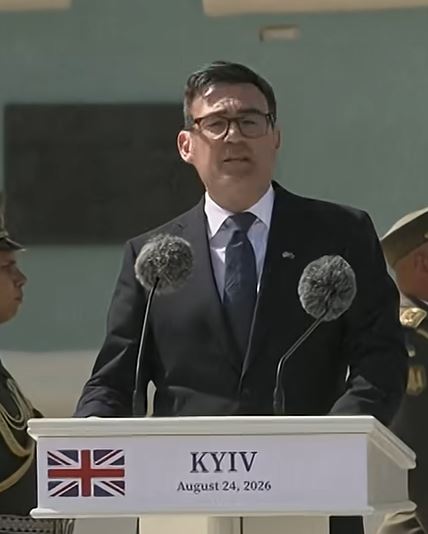

On Monday, August 24, 2026, the situation in Ukraine once again captured the world's attention. The intensified strikes by Russia are provoking strong reactions from European leaders. Emmanuel Macron, Andy Burnham, and Friedrich Merz denounce these actions as an unacceptable escalation.
As the war continues to rage, calls for peace are becoming increasingly urgent. The consequences of these strikes on the civilian population are devastating. Should the international community act urgently? This debate is intensifying as the conflict worsens.
Context of Russian Strikes in Ukraine
Origins of the Conflict and Recent Escalation
The conflict in Ukraine began in 2014 with the annexation of Crimea by Russia. Since then, the situation has deteriorated, leading to numerous military attacks. In 2026, tensions intensified, particularly regarding the country's eastern regions.
Several factors explain this escalation:
- The desire of Russia to maintain its influence in the region.
- The increased military support for Ukraine from Western countries.
- Repeated provocations between the two sides.
Impact on the Civilian Population
Russian strikes have devastating consequences for the civilian population. In addition to human losses, the consequences include:
- Thousands of refugees fleeing conflict zones.
- Essential infrastructures, such as hospitals and schools, severely damaged.
- A growing humanitarian crisis, with limited access to food and clean water.
European leaders, such as Macron, Burnham, and Merz, express their concern about this situation. Their call for a peaceful solution is more urgent than ever.
Reactions of European Leaders
Macron's Position on the Strikes
On Monday, August 24, 2026, French President Emmanuel Macron expressed his deep concern regarding the intensified Russian strikes against Ukraine. In an official statement, he described these actions as a provocation and called for a united response from the international community.
Macron emphasized that France remains firmly committed to the sovereignty of Ukraine and promised ongoing support. He also called for tougher sanctions against Russia to deter further aggression.
Statements from Burnham and Merz
The reactions of other European leaders have also been significant. Andy Burnham, the Mayor of Manchester, condemned the strikes as a flagrant violation of international law. He insisted that solidarity with Ukraine is essential. He stated:
"We must stand alongside our Ukrainian friends. Their struggle is our struggle."
On his part, Friedrich Merz, leader of the German conservative party, expressed his outrage. He stressed the need for a strong response from the European Union. Merz called for enhanced security measures to protect neighboring countries of Ukraine.
Consequences of the Strikes on the War
Effects on the Military Front
The intensified strikes by Russia have a direct impact on the military front in Ukraine. Each attack alters the dynamics of the conflict. Here are some notable effects:
- Increase in human and material losses.
- Changes in Ukrainian military strategies.
- Increased mobilization of reservists.
These elements create constant pressure on Ukrainian forces. They must adapt quickly to respond to threats.
Repercussions on the Ukrainian Economy
The strikes also have economic consequences. The destruction of key infrastructures affects the daily lives of Ukrainians. Here are some impacts:
- Decrease in industrial production.
- Fluctuation in prices of essential goods.
- Increase in unemployment due to the destruction of businesses.
These repercussions make the situation even more difficult for civilians. The Ukrainian economy faces an immense pressure while trying to survive the war.
What is France's Position in the War in Ukraine?
France, under the leadership of Emmanuel Macron, has consistently supported Ukraine against Russian aggression. This support manifests in several ways:
- Diplomatic: France actively participates in international discussions to find a peaceful solution.
- Military: Military aid has been provided to strengthen Ukraine's defense capabilities.
- Humanitarian: France has sent humanitarian aid to support the victims of the conflict.
President Macron has often condemned Russian strikes. He views them as a violation of international rights. This position is shared by many European countries.
Furthermore, France aims to maintain pressure on Russia through economic sanctions. These sanctions aim to reduce Russia's ability to finance its military operations. This demonstrates a strong commitment to the sovereignty of Ukraine.
In the current context, France continues to advocate for a constructive dialogue. This could help end the conflict and establish lasting peace. France's position remains clear: unwavering support for Ukraine.
Humanitarian Actions and International Aid
Support for Refugees
The situation in Ukraine requires special attention to refugees. Many people are fleeing the intensified strikes from Russia. Governments and international organizations are implementing measures to support them.
Here are some important initiatives:
- Creation of reception centers for refugees.
- Distribution of food and essential supplies.
- Access to medical and psychological care.
This support is crucial to help affected individuals overcome this crisis.
Coordination with NGOs
NGOs play a key role in humanitarian aid. They collaborate with governments to ensure a rapid and effective response. This coordination allows for:
- Maximizing the impact of available resources.
- Identifying the priority needs of affected populations.
- Establishing effective communication networks.
Together, NGOs and governments work to alleviate the suffering caused by the conflict.
Future Perspectives for Ukraine
Possible Scenarios After August 24, 2026
After the intensified strikes by Russia, several scenarios are emerging for Ukraine. European leaders, such as Macron, Burnham, and Merz, have expressed their concerns. Here are some perspectives:
- Military reinforcement: Ukraine could receive more military support from NATO.
- Stronger sanctions: The European Union could impose new sanctions against Russia.
- Peace agreements: Negotiations could be restarted to establish a ceasefire.
Each option has its challenges. Military support may exacerbate the conflict. Sanctions, while effective, can also have repercussions on European economies. Peace agreements require concessions from both sides.
Role of the European Union
The European Union has a crucial role to play in the current situation. It can act in several ways:
- Diplomacy: Facilitate dialogue between the parties.
- Humanitarian aid: Provide support to refugees and victims of the war.
- Economic stability: Assist in the reconstruction of post-conflict Ukraine.
A united response from the European Union is essential to ensure peace and stability in the region. Support for Ukraine will also reinforce democratic values in Europe.


