




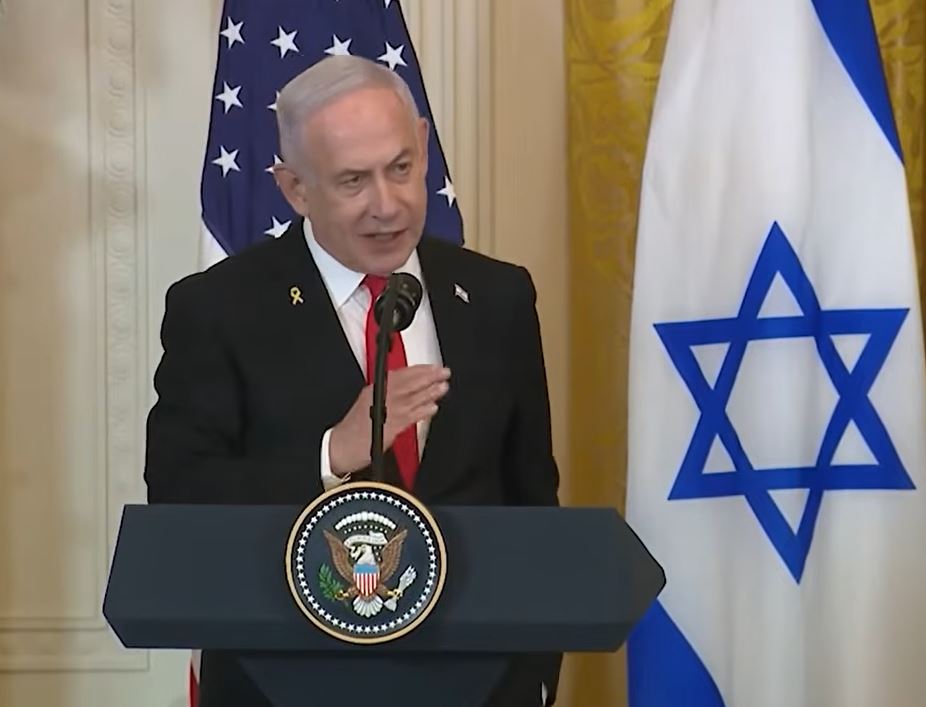

On Monday, August 24, 2026, an explosive revelation shakes the Israeli political scene. Benjamin Netanyahu, the Prime Minister, accuses Iran of attempting to target one of his sons. This accusation comes amid growing tensions between the two nations and raises crucial questions about the security of Israeli public figures, including that of his rival, Gadi Eisenkot.
What are the implications for Israel's national security? How could this situation influence the upcoming elections? Concern is growing as events unfold. In this article, we will explore the details of this accusation, the reactions from authorities, and the political stakes that arise from it.
Context of Netanyahu's Accusation
Historical Tensions between Israel and Iran
The relationship between Israel and Iran is marked by historical tensions. Since the Iranian revolution of 1979, the two countries have considered each other enemies. Iran supports armed groups hostile to Israel, such as Hezbollah in Lebanon and Palestinian factions.
Here are some key points about these tensions:
- Geopolitical Rivalry: Iran seeks to expand its influence in the Middle East, which threatens Israel.
- Nuclear Program: Concerns over the Iranian nuclear program fuel tensions.
- Propaganda and Rhetoric: Iranian leaders often make threatening statements against Israel.
Security of Israeli Personalities
The security of political and military figures in Israel is a priority. Threats from Iran have led to enhanced security measures. This includes:
- Close Protection: Security teams monitor the movements of leaders.
- Communication Surveillance: Authorities monitor potential threats via social media and other channels.
- Emergency Plans: Protocols are in place to respond quickly in the event of an attack.
These measures are essential to ensure the safety of targeted individuals, especially in a climate of instability. Netanyahu's recent accusation underscores the importance of this vigilance.
Details of the Accusation
Alleged Attack on a Family Member of Netanyahu
Prime Minister Benjamin Netanyahu recently accused Iran of planning an attack against one of his sons. This accusation comes amid rising tensions between Israel and Iran. According to Netanyahu, Iranian elements attempted to target his son, raising serious questions about the security of his family.
The details of this accusation are still unclear, but several key points emerge:
- Nature of the Threat: Netanyahu described the incident as a direct and imminent threat.
- Political Implications: This accusation could have repercussions on the Israeli political scene, especially with elections approaching.
- Security Response: Israeli security services are on high alert following these revelations.
Reactions from Israeli Authorities
Reactions within Israeli authorities have been strong. Several officials expressed their support for Netanyahu while calling for caution. Here are some notable reactions:
- Defense Minister: He emphasized that the security of Israeli citizens is a priority.
- Political Opposition: Some leaders attempted to downplay the accusation, labeling it a political maneuver.
- Security Expert: Analysts pointed out that these accusations could have consequences for Israel's international relations.
This situation highlights the ongoing tensions between Israel and Iran and underscores the importance of security in current Israeli politics.
The Controversy Surrounding Gadi Eisenkot
Who is Gadi Eisenkot?
Gadi Eisenkot is a former Chief of Staff of the Israeli army. He held this position from 2015 to 2019. Eisenkot is known for his strategic vision and key military decisions. His experience positions him as an important player in Israeli politics.
Here are some key points about Gadi Eisenkot:
- Military Training: He has a long career in the armed forces, having risen through the ranks over several decades.
- Defense Strategies: Eisenkot developed plans to strengthen Israel's security against various threats.
- Political Role: After his military career, he became involved in politics, becoming a potential rival to Netanyahu.
Political Implications of Eisenkot's Security
The security of Gadi Eisenkot has become a topic of intense debate. Netanyahu's accusations regarding Iran have repercussions on the perception of security in Israel. This raises essential questions:
- Impact on the Electorate: Concerns about security may influence voter choices during elections.
- Tensions between Parties: Netanyahu's accusations aim to discredit Eisenkot, which could exacerbate political rivalries.
- International Reactions: Netanyahu's statements could also affect Israel's relations with other countries, especially regarding security.
Thus, the controversy surrounding Eisenkot's security is more than just a personal matter. It touches on fundamental issues for the country.
International Reactions
Statements from Foreign Governments
Netanyahu's accusations against Iran have elicited immediate reactions worldwide. Many governments have expressed concern over this explosive situation. Here are some examples:
- United States: The administration has renewed its support for Israel, calling Iranian actions threatening.
- European Union: European leaders are calling for de-escalation and dialogue to avoid any military escalation.
- Russia: The Kremlin condemned the accusations as unfounded and expressed its willingness to support Iran.
These statements show the direct impact of the situation on the international stage.
Impact on Diplomatic Relations
The tensions between Israel and Iran, exacerbated by Netanyahu's accusations, could have significant repercussions on diplomatic relations. Here are some possible consequences:
- A strengthening of alliances between Israel and its allies, notably the United States.
- A deterioration of relations between Iran and Western countries, especially if concrete evidence emerges.
- An increase in tensions in the Middle East region, with a heightened risk of conflict.
Recent events highlight the importance of diplomacy to avoid escalation. Governments will need to act swiftly to manage this delicate crisis.
Analysis of National Security Implications
Current Threats to Israel
Netanyahu's recent accusation regarding Iran raises major concerns for Israel's safety. Several current threats loom:
- Targeted Attacks: The threats of attacks against family members of Israeli leaders are increasing.
- Cyberattacks: Iran has already demonstrated its ability to carry out cyber operations against Israel.
- Regional Alliances: Iran is strengthening its alliances with other hostile groups in the region.
These elements highlight the need for increased vigilance. Israel's national security is at stake.
Defense Strategies to Adopt
To address these threats, Israel must adopt robust defense strategies. Here are some suggestions:
- Strengthening Intelligence Services: Better information gathering to anticipate threats.
- International Collaboration: Working with allies to share resources and information.
- Military Training: Preparing military personnel to respond quickly to emergencies.
These strategies will help better protect Israel and address the challenges posed by Iran and other adversaries.
Conclusion and Future Perspectives
Next Steps for Netanyahu and His Government
Netanyahu's recent accusation against Iran raises many questions. His government must now navigate turbulent waters. Here are some possible steps:
- Strengthening internal security to protect the Prime Minister's family members.
- Increasing diplomatic pressure on Iran internationally.
- Assessing the potential military response to this threat.
- Communicating with allies to gain support.
Each decision will have repercussions not only for Israel but also for the region as a whole. Netanyahu must demonstrate his ability to manage this crisis.
The Future of Israel-Iran Relations
The tension between Israel and Iran is at its peak. Netanyahu's accusations could have long-term consequences. Here are some elements to consider:
- An escalation of military conflicts in the region.
- More complex diplomatic negotiations.
- A strengthening of alliances with other Middle Eastern countries.
The dynamics of relations between these two nations could change. Recent events demonstrate how a simple accusation can transform the political landscape.


