





On October 18, 2026, a turning point in the history of France was marked. That Sunday, thousands of protesters flooded the streets, expressing a growing anger against President Emmanuel Macron. How did we get here? The reasons for this movement are numerous and touch on deep social and economic issues.
Growing inequalities and rising prices have exacerbated discontent. The French feel neglected, as if their voices are being silenced by a disconnected government. This climate of tension has led to scenes of chaos in several major cities.
In this article, we will explore the tumultuous events of this memorable day, the reactions of Emmanuel Macron and political parties, as well as the consequences of these protests on public order and French society.
Context of the Protests in France
The Reasons for Popular Anger
On October 18, 2026, France was shaken by massive protests. This popular anger has its roots in several key factors:
- Growing social inequalities: Many French people feel a gap between the rich and the poor.
- Controversial government reforms: Changes in public policy are often perceived as unfair.
- Perception of a lack of listening: Protesters believe their voices are not heard by the government.
These elements have fueled a climate of discontent, prompting many citizens to take to the streets.
The Impact of High Living Costs on Mobilization
The rise in prices of essential goods has exacerbated tensions. French people are increasingly worried about their purchasing power. The increases in costs are felt in several areas:
- Food: Prices of basic products have soared, making daily life more difficult.
- Energy: Electricity and gas bills are rising, putting pressure on household budgets.
- Housing: Rents continue to rise, making access to decent housing more complex.
This economic context has largely contributed to the mobilization of protesters, who are demanding concrete and immediate solutions.
Emmanuel Macron's Speech: Analysis and Reactions
Main Points Addressed by the President
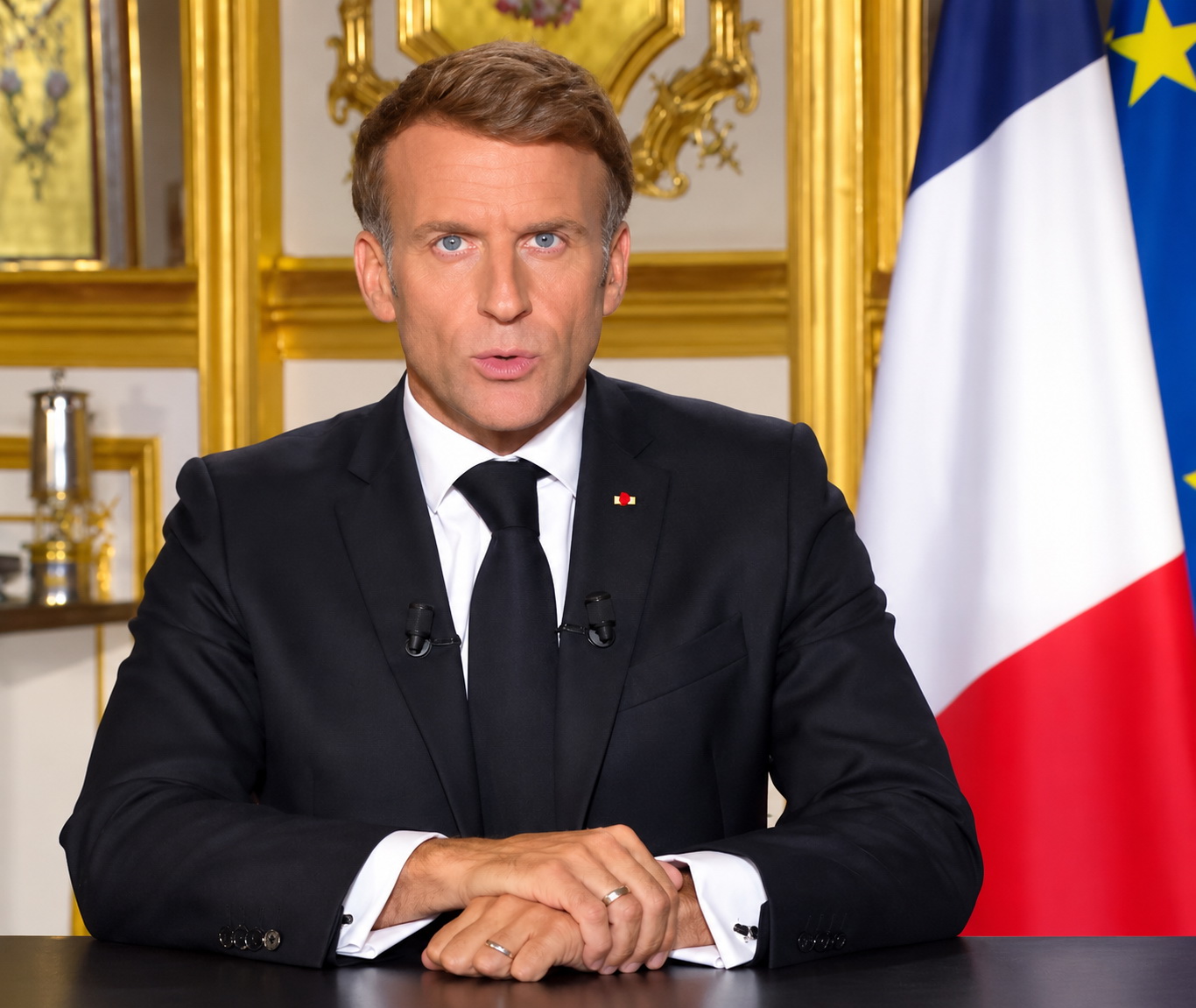
In his speech on October 18, 2026, Emmanuel Macron attempted to respond to the anger of the protesters. Here are the main points he addressed:
- Commitment to dialogue: Macron emphasized the importance of listening to citizens' concerns.
- Economic reforms: He explained the reasons behind the controversial reforms, stressing the need to modernize the country.
- Security: The president highlighted the importance of maintaining public order in the face of violence during the protests.
- Call for responsibility: He urged protesters to demonstrate calm and reason.
Reactions from Political Parties and Protesters
The reactions following Emmanuel Macron's speech were varied and often polarized. Here is an overview of the main responses:
- Opposition parties: Many criticized the president for his lack of empathy and inability to understand the distress of the French people.
- Protesters: Some applauded his efforts, while others deemed his speech disconnected from reality.
- Media: Analyses varied, with some praising the president's courage and others denouncing the ineffectiveness of his speech.
In this tense climate, it is clear that the president's communication is crucial for easing tensions and restoring dialogue with citizens. The future of events will depend on his ability to turn his words into concrete actions.
Scenes of Chaos: A Historic Sunday
Description of the Events of October 18
October 18, 2026, will be remembered. This Sunday was marked by protests that quickly degenerated into scenes of chaos. Thousands of protesters gathered across France, expressing their dissatisfaction with the decisions of President Emmanuel Macron.
The main cities affected include:
- Paris: The epicenter of the protests, with blocked streets and clashes with law enforcement.
- Lyon: Massive gatherings followed by tensions with groups of vandals.
- Marseille: Barricades and burning trash cans were reported.
Images broadcast on television and social media showed scenes of violence and despair. Law enforcement attempted to contain the situation, but the atmosphere was electric. The cries of protesters echoed in the streets, while shop windows were shattered and cars set on fire.
The Consequences on Public Order
The events of October 18 had immediate repercussions on public order. Authorities faced several challenges:
- Bans on protesting in certain sensitive areas.
- Strengthening security measures in major cities.
- An increase in tensions between protesters and the police.
This day also sparked a debate on freedom of expression and the right to protest. Many are questioning whether the government's actions are appropriate to manage popular discontent. Political reactions are pouring in, and the situation remains tense.
The Political and Social Stakes Ahead
The Next Steps for the Government
The French government now faces a delicate situation. After the protests of October 18, 2026, several actions are necessary to ease tensions. Here are some key steps:
- Assessment of demands: Understanding the points raised by protesters.
- Open dialogue: Creating a space to discuss citizens' concerns.
- Concrete proposals: Developing viable solutions to address the demands.
These steps are crucial to restoring trust between the government and the population. Ignoring these challenges could lead to further protests.
The Importance of Transparency and Dialogue
In a crisis context, transparency is essential. Citizens want to know what their government is doing. Dialogue is equally important. It allows to:
- Clarify the government's intentions.
- Establish a climate of trust.
- Facilitate understanding of decisions made.
A government that communicates effectively is better able to manage crises. This can also prevent escalations of tensions similar to those recently observed.
Conclusion: Towards a Divided France?
Sunday, October 18, 2026, will be remembered as a day of chaos and anger. The protests revealed deep fractures within French society. Citizens, in disagreement with Emmanuel Macron's policies, express their discontent in an explosive manner.
The reasons for this division are multiple:
- Growing economic inequalities
- Unpopular government reforms
- A political climate of distrust
In the face of these challenges, the question arises: Can Emmanuel Macron still unite the nation? The answers are uncertain. Tensions between different social classes and regions exacerbate the sense of division.
For the future, it is crucial that the government listens to and takes into account the fears of the protesters. Ignoring these voices could lead to a deepening of this fracture. Reconciliation seems to be the key to avoiding an even more divided France.


