




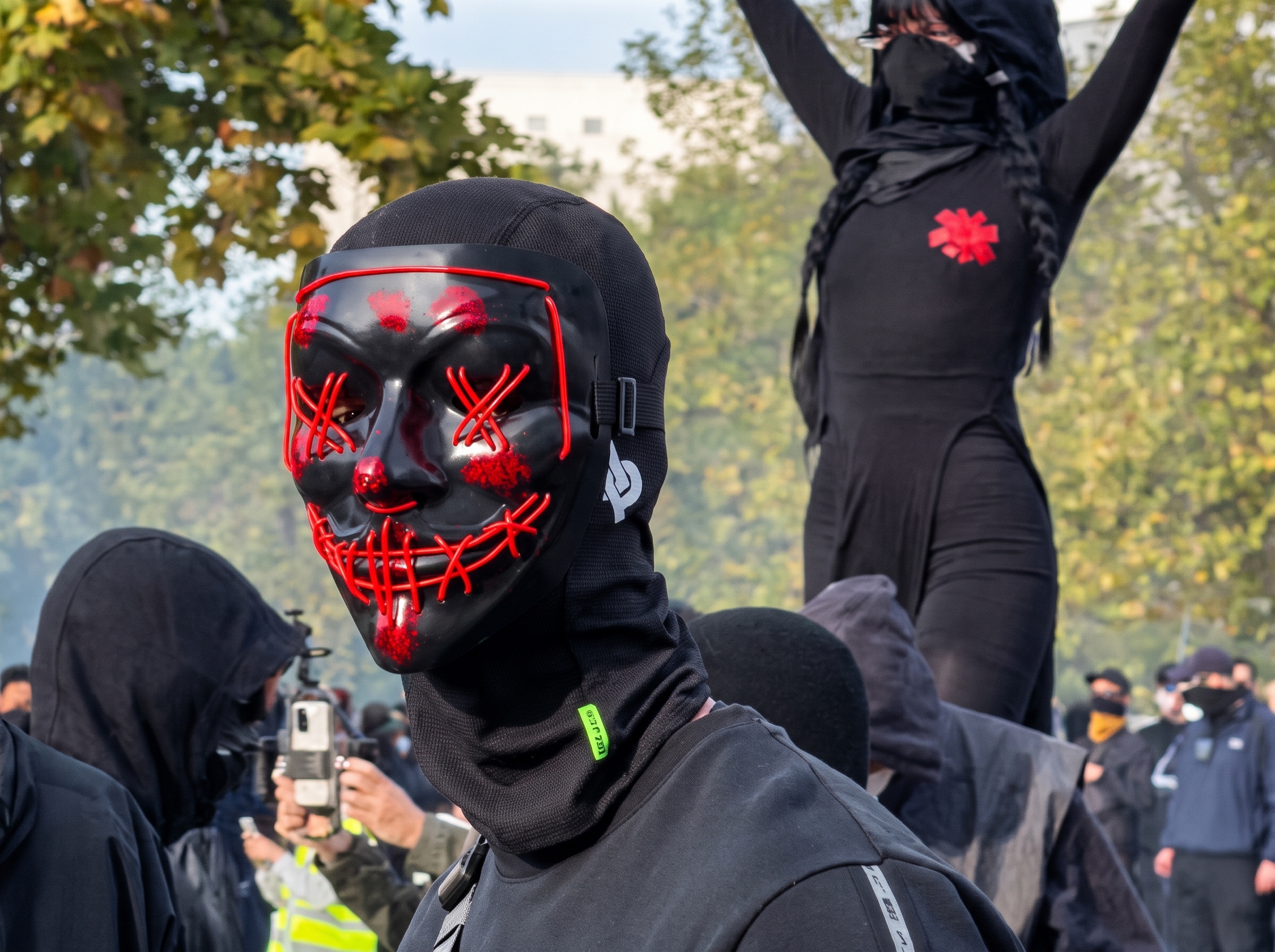

On Saturday, October 24, 2026, France was shaken by massive protests that mobilized thousands of citizens. In Paris, Marseille, and Strasbourg, anger over the decline in purchasing power was expressed strongly, resulting in nearly 1,000 arrests and clashes with law enforcement.
This mobilization, set against a backdrop of difficult economic conditions, highlights the growing concerns of the French people. Prices are rising, wages are stagnating, and inflation is hitting their budgets hard. The protesters' demands are clear and urgent.
Together, they hope to make their voices heard and push the government to take action. The issue of purchasing power has become central, and the events of this day could mark a turning point in the fight for a better quality of life.
Context of the protests on October 24, 2026
On October 24, 2026, thousands of citizens mobilized across France to express their anger at the decline in purchasing power. The protests took place in several major cities, including Paris, Marseille, and Strasbourg. This social movement was marked by massive arrests and clashes between protesters and law enforcement.
This mobilization occurs in a challenging economic context. Rising prices, stagnant wages, and rampant inflation have pushed many French citizens to anger. The protesters' demands were clear:
- Increase in wages
- Reduction of income taxes
- Price control of consumer goods
Unions and various organizations called for these protests to make the voice of workers heard. The participants hoped that the government would take concrete measures to improve their daily lives.
Tensions escalated quickly, especially in Paris, where clashes broke out. Law enforcement responded with tear gas and charges. This led to a significant number of arrests, exceeding one thousand.
The protests on October 24, 2026, illustrate a deep social malaise in France. The question of purchasing power has become a central issue for many citizens. The outcomes of these movements could have significant consequences for the country's economic policy.
Key figures from the mobilizations
Estimated number of protesters
The mobilizations on October 24, 2026, saw a large number of people gathering to express their discontent over the rising cost of living. In several cities across France, estimates vary:
- Paris: approximately 150,000 protesters.
- Marseille: nearly 70,000 participants.
- Strasbourg: about 30,000 people.
These figures demonstrate the scale of the mobilization and the importance of the purchasing power issue in citizens' minds.
Arrests and reported incidents
The day was marked by tensions and incidents. Here are the key figures:
- Arrests: nearly 1,000 people were detained.
- Incidents: several clashes occurred, particularly in Paris.
- Injuries: both protesters and law enforcement were reported injured.
These events illustrate the tension surrounding this sensitive issue and the passion of citizens to defend their purchasing power.
The main cities affected by the protests
Paris: tensions and dispersal
The French capital, Paris, was the scene of significant tensions this Saturday. The streets filled with protesters expressing their anger over the rising cost of living.
Law enforcement had to intervene several times to disperse the crowds. Clashes were reported, particularly near iconic locations like the Place de la République. These confrontations resulted in numerous arrests.
Marseille and Strasbourg: a mixed outcome
In Marseille, the situation was less tense than in Paris. The protests gathered many citizens, but violent incidents were less frequent. The mobilization was substantial, with a strong presence of unions.
Strasbourg also experienced significant protests. However, the atmosphere there was more peaceful. Citizens marched to demand better purchasing power without major clashes.
In summary, each city has its specifics, but they all share a common goal: to make their voices heard on the issue of purchasing power.
Reactions from authorities
Statements from the Minister of the Interior
The Minister of the Interior quickly reacted to the massive protests that took place this Saturday. He expressed his concern regarding the situation. According to him, these gatherings are a sign of increasing social tension, fueled by the issue of purchasing power.
He also emphasized the need to maintain public order. He stated: "We respect the right to protest, but violence will not be tolerated." This position was widely reported and sparked varied reactions within the population.
Security measures implemented
To address these protests, authorities decided to strengthen security measures in several major cities, including:
- An increased deployment of law enforcement.
- The use of surveillance cameras to monitor gathering places.
- Identity checks near the protests.
Authorities also established security zones to prevent clashes between protesters and law enforcement. These measures aim to protect citizens while allowing for the expression of demands. The situation remains tense, and authorities continue to monitor the evolution of events.
Impact of the protests on citizens' daily lives
Disruptions in transportation
The protests for purchasing power caused significant disruptions in transportation across several cities. In Paris, Marseille, and Strasbourg, users faced major difficulties. Metro and bus lines were affected, resulting in:
- Traffic stoppages
- Significant delays
- Modified routes
These inconveniences impacted citizens' daily lives, making commutes longer and more complicated.
Impacts on businesses and services
The protests also had a direct impact on businesses and services. Many stores had to close their doors for precautionary reasons, reducing access to goods and services for residents. Here are some notable consequences:
- Temporary closure of shops
- Reduction in opening hours
- Delays in product deliveries
These factors contributed to an atmosphere of tension and uncertainty among citizens. Merchants, in particular, felt the weight of these events on their sales.
Analysis of the underlying causes of the mobilizations
Increase in the cost of living
The rising cost of living is one of the main reasons for the protests. Citizens are noticing a rise in prices of essential goods and services. This directly impacts their purchasing power.
Some examples include:
- Food prices that rise every month.
- Energy bills reaching record levels.
- The cost of housing continuously increasing.
This situation creates a sense of urgency and pushes people to express themselves publicly.
Perception of social injustice
The protests are also fueled by a growing perception of social injustice. Many believe that wealth is poorly distributed. This inequality generates frustrations.
The following elements contribute to this perception:
- Stagnant wages in the face of rampant inflation.
- Government aid deemed insufficient.
- A lack of transparency regarding economic decisions.
These feelings of injustice reinforce the willingness to mobilize to demand change.


