




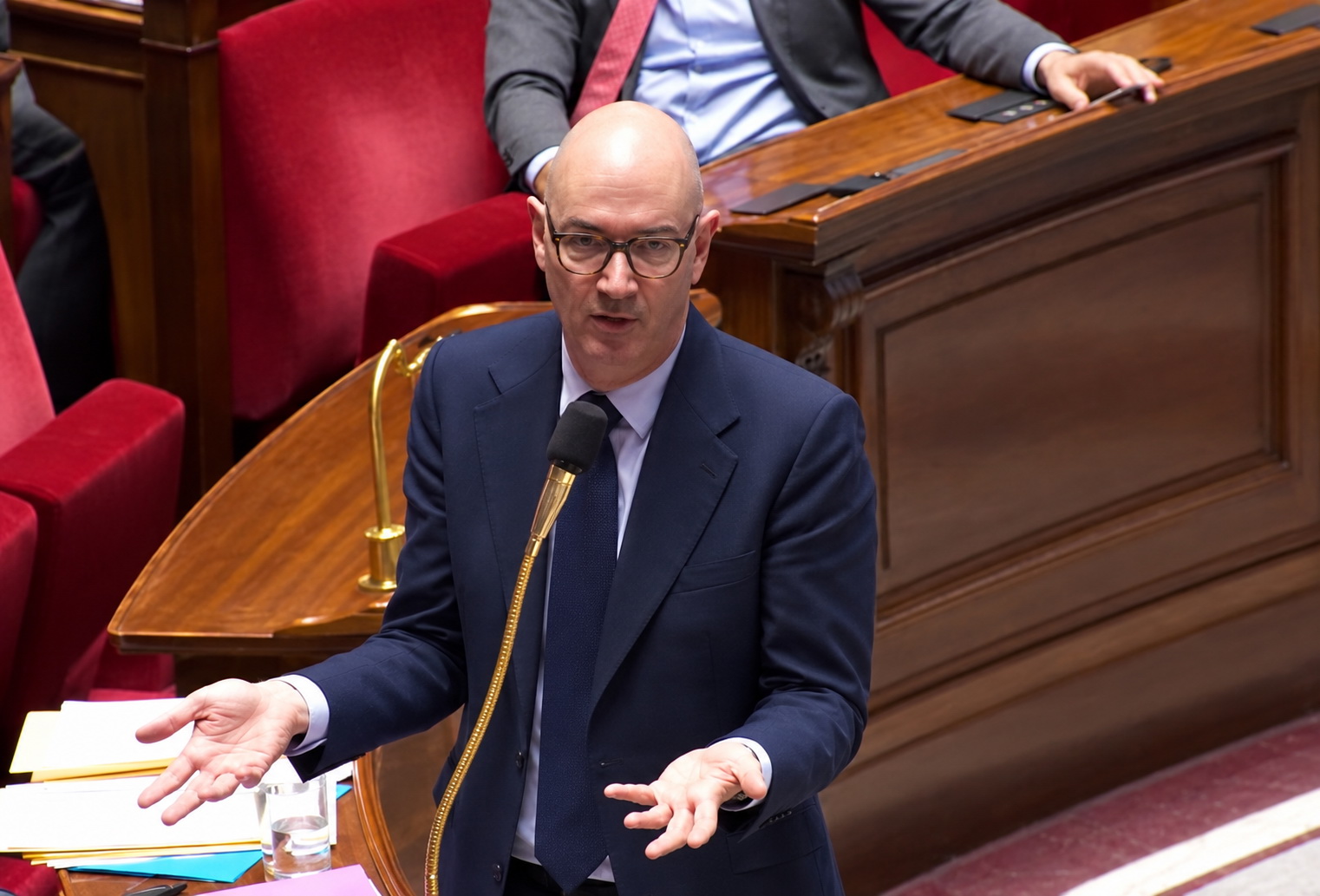

The decline of 0.1% in France's GDP in the third quarter of 2026 is an alarming signal for the country's economy. According to Roland Lescure, the Minister of Economy, this decrease marks a true halt in economic activity. In light of this situation, questions are multiplying: What are the causes of this contraction? What impacts will it have on households and businesses?
In this article, we will explore the reasons for this decline, its consequences on key sectors of the economy, as well as the reactions from the government and experts. Get ready to discover how this situation could influence your daily life and what measures could be put in place to revitalize the French economy.
Analysis of the Decline in French GDP
What are the causes of this decline?
The decline of the GDP in France by 0.1% in the third quarter of 2026 can be explained by several factors. Among the main reasons are:
- Decrease in consumption: Households are reducing their spending in the face of economic uncertainty.
- Increase in inflation: The prices of goods and services continue to rise, impacting purchasing power.
- International instability: Geopolitical conflicts and trade tensions disrupt exchanges.
These combined elements create an environment that is not conducive to growth. Companies hesitate to invest, thereby slowing economic expansion.
Impact on Key Sectors of the Economy
The decline in GDP affects several vital sectors of the French economy. Here are the main impacts:
- Industry: Production decreases, leading to a drop in orders.
- Services: Service businesses, such as tourism or catering, feel a drop in attendance.
- Construction: Infrastructure projects slow down, affecting employment in this area.
The consequences of this situation can lead to a negative spiral, where the decline in GDP impacts unemployment and, consequently, consumption.
Government and Expert Reactions
Statements from Roland Lescure
Roland Lescure, the Minister of Economy, commented on the decline of the GDP in France by 0.1% for the third quarter. According to him, this drop is a clear sign that the economy is at a standstill. He highlighted several key points:
- The need to support businesses.
- A call for immediate measures to revive activity.
- Concern for employment and the purchasing power of the French.
Lescure's statements show a willingness to act quickly to avoid a deterioration of the economic situation.
Economists' Opinions on the Situation
Economists share varying opinions on this contraction of GDP. Some believe that this decline is the result of temporary factors, while others fear a deeper slowdown. Here are some opinions:
- External factors: The energy crisis and geopolitical tensions influence the economy.
- Consumption: The decrease in household consumption directly impacts growth.
- Investments: A slowdown in investments could worsen the situation.
Experts agree that it is crucial to monitor the evolution of economic indicators to anticipate the next steps.
Consequences on the Daily Lives of the French
Impact on Employment and Purchasing Power
The decline of GDP by 0.1% has direct repercussions on the daily lives of the French. Indeed, this situation may lead to a stagnation of employment and pressure on purchasing power.
Companies may be led to reduce their workforce or freeze hiring. Here are some possible consequences:
- Fewer job openings in the market.
- Salaries not keeping pace with inflation.
- An increase in unemployment.
The French may see their financial situation deteriorate, impacting their standard of living.
Forecasts for the Coming Months
Economic forecasts are concerning. Experts expect a continuation of stagnation in the coming months. Several factors can influence this situation:
- Geopolitical tensions.
- Market fluctuations.
- Internal political decisions.
The French must prepare for a period of uncertainty. This could mean adjusting their budgets and reassessing their daily expenses.
Comparison with Other European Countries
How does France compare to its neighbors?
The decline of the GDP in France by 0.1% raises questions about the health of the national economy. Let's compare this with other European countries:
| Country | GDP Change (Q3 2026) |
|---|---|
| Germany | +0.2% |
| Italy | -0.3% |
| Spain | +0.1% |
| United Kingdom | +0.4% |
This comparison shows that France is in a delicate situation compared to its neighbors. While Germany and the United Kingdom are showing growth, other countries like Italy are experiencing a contraction.
Lessons to Learn from Other Economies
It is crucial to observe the strategies of other countries to stimulate their economies. Here are some lessons:
- Public investment: Countries like Germany are increasing their spending on infrastructure.
- Tax incentives: Other nations offer tax breaks to encourage consumption.
- Innovation: Supporting research and development is essential for competitiveness.
By learning from the successes and mistakes of other economies, France could implement effective measures to revive its economic growth.
Proposed Solutions by the Government
Short-term Measures
In light of the current situation, the government has implemented several measures in the short term to support the economy. These actions aim to limit the effects of the GDP decline and revitalize economic activity. Among the main initiatives are:
- Increased aid to businesses affected by the crisis.
- Subsidies for struggling sectors, such as tourism and catering.
- Temporary suspension of certain tax burdens for SMEs.
These measures aim to facilitate the flow of liquidity and ensure the sustainability of businesses in the short term.
Long-term Strategies to Revive the Economy
For a sustainable recovery, the government is considering long-term strategies. These measures aim to transform the French economy and improve its resilience. Here are some of the main strategies:
- Investments in infrastructure to modernize transport and public services.
- Promotion of innovation and digitalization to enhance the competitiveness of businesses.
- Strengthening professional training to adapt skills to the new market requirements.
These initiatives are essential to prepare the French economy to face future challenges and ensure sustained growth.
Conclusion and Future Perspectives
Summary of Issues
The decline in GDP in France by 0.1% in the third quarter of 2026 raises essential questions. The economic situation is concerning. Several factors contribute to this slowdown:
- Fluctuations in global markets
- Persistent inflationary pressures
- Political and social uncertainties
These elements highlight the need for a quick reaction from the authorities. Measures must be taken to revive growth and support struggling sectors.
Optimistic Vision for the French Economy
Despite the current challenges, there are reasons to be optimistic. Innovation and the energy transition represent promising avenues for the future. By investing in these areas, France can:
- Stimulate job creation
- Improve its competitiveness
- Strengthen its position in the international market
In conclusion, although the economic context is delicate, a proactive strategy can pave the way for a better future for the French economy.


