




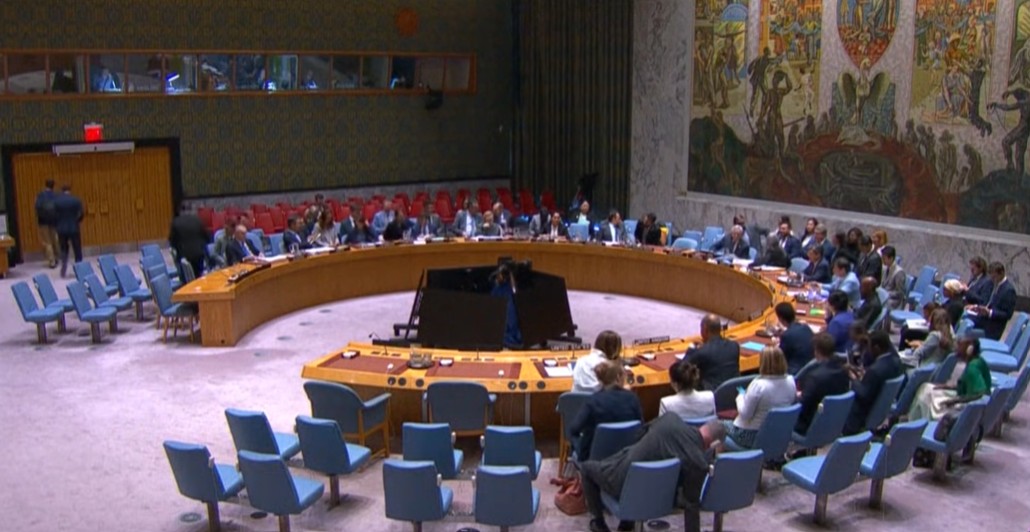

The situation in Lebanon is more than concerning. With the vote on August 28, 2025, the country finds itself at a critical turning point. The withdrawal of UN troops by the end of 2027 could plunge Lebanon into a security void.
In the face of this security urgency, France is not standing idly by. It is mobilizing its allies, notably Lebanese President Joseph Aoun and Jordanian King Abdullah II, for essential military support. This dynamic could prove crucial for preserving the country's stability.
In this article, we will explore the implications of this vote, France's active role, and the necessity of international cooperation to address the upcoming challenges.
Context of the Security Urgency in Lebanon
History of Security Tensions
Lebanon has experienced periods of recurring security tensions. Since the civil war that lasted from 1975 to 1990, the country has been marked by internal conflicts and external interferences. Several factors have exacerbated this situation:
- The presence of armed groups.
- Political rivalries among factions.
- Economic and social crises.
These elements have contributed to chronic instability. The situation has worsened with the influx of Syrian refugees, increasing tensions between communities.
Impact of the Vote on August 28, 2025
On August 28, 2025, a vote was held regarding the withdrawal of UN troops from Lebanon by December 31, 2027. This decision has major consequences:
- A potential security vacuum in the country.
- An increase in tensions between the various Lebanese factions.
- Increased concern for the international community.
This withdrawal could create an environment conducive to the emergence of new conflicts. Lebanon's allies, such as France, are seeking to anticipate these challenges by mobilizing military support.
France's Role in Stabilizing Lebanon
French Military Commitment
France has always played a key role in security in Lebanon. This commitment is strengthening today in response to the security urgency. Here are some important points:
- History of French military intervention in Lebanon.
- Training and support for the Lebanese armed forces.
- Collaboration with other countries for military support.
The French military support aims to stabilize the country in the face of internal and external threats. This includes training missions and equipment for Lebanese forces.
Diplomatic Relations with Lebanon
The relations between France and Lebanon are deep and historical. They are based on:
- A shared history since the French mandate.
- Strong cultural ties, notably through language and culture.
- Consistent support in international forums.
France positions itself as an essential mediator in the region. Its diplomatic role strengthens alliances and fosters a climate of trust. This is crucial for the long-term stability of Lebanon.
The Support of Allies: Joseph Aoun and Abdallah II
Joseph Aoun and His Influence
The Lebanese president, Joseph Aoun, plays a key role in mobilizing military support. His influence is essential for gaining the backing of allied nations. Aoun has established strong relationships with Western leaders.
Here are some aspects of his influence:
- Active diplomacy: Aoun participates in international conferences to advocate for Lebanon's interests.
- Military collaboration: He has initiated cooperation agreements with several countries.
- Calls for assistance: Aoun has regularly requested increased support in the face of security threats.
King Abdallah II and His Strategic Role
The King of Jordan, Abdallah II, is another key player in this dynamic. His geographical and political position gives him a strategic role in the Middle East. He is a valuable ally for France.
Abdallah II's contributions include:
- Regional stability: He works to maintain peace in a region often in conflict.
- Military partnerships: Jordan has a well-trained army ready to cooperate with Lebanon.
- Open dialogue: Abdallah II facilitates discussions among stakeholders.
These two leaders, through their actions, reinforce the idea of international cooperation to address Lebanon's security challenges.
Consequences of the UN Withdrawal
Risks to Regional Security
The withdrawal of the UN from Lebanon by December 31, 2027 poses serious risks to the security situation in the region. Without UN support, several challenges could emerge:
- Increased tensions among political and military factions.
- Strengthening of non-state armed groups.
- Increased economic instability affecting the civilian population.
These factors could lead to an escalation of conflicts, making the region even more volatile.
International Reactions
In light of this situation, international reactions are crucial. Several countries and organizations have already expressed their concerns:
- France, by mobilizing its allies, seeks to ensure military support.
- The United States has called for lasting stability in the region.
- The Arab League may intervene to facilitate dialogue among the parties.
These reactions demonstrate the importance of international cooperation in managing the consequences of the UN withdrawal.
Future Scenarios for Lebanon
Prospects for Peace and Security
Lebanon is facing a growing security urgency. Following the vote on August 28, 2025, several scenarios may unfold. The collaboration between Lebanon and its allies, notably France, is crucial. Here are some prospects:
- Military stabilization: Increased support could strengthen Lebanese armed forces.
- Regional dialogue: France, by mobilizing its allies, can facilitate discussions among neighboring countries.
- Community engagement: Involving the local population in the peace process is essential.
These elements could help build a safer future for Lebanon.
Role of the International Community
The international community has a key role to play in supporting Lebanon. Allied nations, including France, must:
- Provide technical assistance: Training Lebanese forces can improve their effectiveness.
- Strengthen institutions: Help create a stable and functional government.
- Monitor the situation: Regular oversight is necessary to adapt interventions.
Concerted support can lead to positive outcomes for security and peace in Lebanon.


