




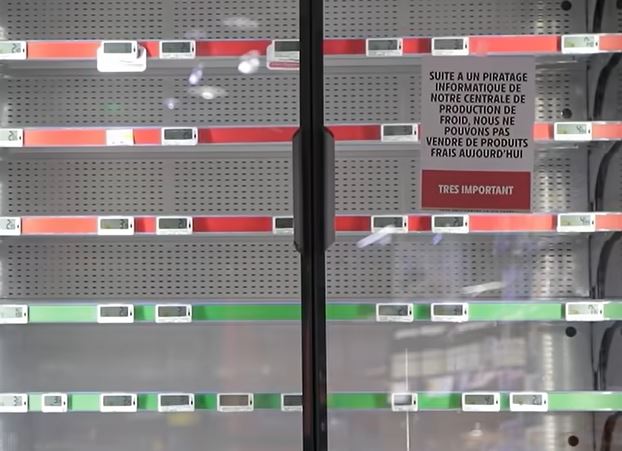

On the night of October 12 to 13, 2026, a red alert sounded in the retail world. Cyberattacks targeting systems equipped with Dixell hardware caused a shockwave. These devices, essential for managing food temperature, were compromised, revealing concerning vulnerabilities.
The consequences of these cyberattacks go far beyond mere inconveniences. They pose serious risks to food safety and consumer trust. How can these incidents affect businesses and what can be done to protect against them? Let’s delve into the details of this growing threat.
Understanding the Context of Cyber Attacks
Definition of Cyber Attacks
Cyber attacks are malicious attempts to access a system or data. They can take several forms:
- Phishing: deception to obtain sensitive information.
- Ransomware: software that locks access to data until payment is made.
- DDoS: overwhelming a service to make it unavailable.
These acts harm the security of businesses and customer trust. They can lead to significant financial losses.
History of Cyber Attacks Targeting Businesses
Cyber attacks against businesses are not new. Their frequency has increased with the rise of the Internet. Here are some notable examples:
| Year | Event | Impact |
|---|---|---|
| 2013 | Target Attack | 40 million credit cards compromised |
| 2017 | WannaCry Attack | Impact on thousands of businesses worldwide |
| 2020 | Magento Attack | Data theft from several e-commerce sites |
These incidents highlight the importance of cybersecurity in the commercial sector. Businesses must remain vigilant and protect themselves against these growing threats.
The Most Common Types of Cyber Attacks
Phishing: An Insidious Method
Phishing is a technique where attackers impersonate trusted entities. Their goal is to trick users into revealing sensitive information.
Here’s how it works:
- An email appears to come from a reliable source, such as a bank.
- It contains a link to a fraudulent website.
- The user enters their personal information, which is then stolen.
Ransomware: The Ransom of Data
Ransomware is malware that encrypts user data. It then demands a ransom to unlock that information.
The typical steps are:
- Infection via a downloaded malicious file.
- Encryption of the user’s files.
- Request for payment in cryptocurrency for the decryption key.
DDoS: The Saturation of Systems
DDoS (Distributed Denial of Service) attacks aim to make a service inaccessible. This is done by flooding the server with requests.
The consequences can be severe:
- Service interruption for customers.
- Loss of revenue for businesses.
- Damage to reputation.
Impact of Cyber Attacks on Businesses
Economic Consequences
Cyber attacks have a direct impact on the finances of businesses. When a system is compromised, the losses can be considerable. Here are some key consequences:
- Loss of revenue: Service interruptions lead to decreased sales.
- Repair expenses: Costs to repair systems or purchase new equipment can be high.
- Loss of customers: Customers may lose trust and turn to competitors.
In summary, the economic repercussions can jeopardize the viability of a business, especially for small enterprises.
Risks to Food Safety
Cyber attacks also affect food safety. Businesses equipped with Dixell equipment, which monitors food temperatures, are particularly vulnerable. If these systems are compromised:
- Unregulated temperatures: Food may be stored at inappropriate temperatures, increasing the risk of contamination.
- Missed notifications: Temperature alerts may not be sent, leading to product losses.
- Product recalls: Non-compliant products may be sold, endangering consumer health.
Food safety must be a priority for all businesses, especially in the digital age.
Specific Case: Attacks on Dixell Systems
Operation of Dixell Equipment
Dixell equipment is widely used in the refrigeration sector. They ensure the control of temperature and humidity in businesses. Here are the main functions:
- Temperature regulation
- Humidity monitoring
- Alarm management in case of malfunction
These devices are essential to guarantee the quality of perishable products. In case of failure, losses can be enormous.
Analysis of Vulnerabilities
Cyber attacks targeting Dixell systems can have serious consequences. Several vulnerabilities have been identified:
- Unauthorized access to control systems
- Exploitation of flaws in management software
- Interruption of monitoring services
It is crucial to understand these flaws to protect businesses. Security measures must be implemented to prevent these attacks.
Prevention and Solutions Against Cyber Attacks
Recommended Cybersecurity Measures
To protect businesses equipped with Dixell equipment, it is essential to adopt effective cybersecurity measures. Here are some recommendations:
- Regular updates of software and operating systems.
- Use of firewalls to filter traffic.
- Implementation of antivirus and antimalware solutions.
- Regular backups of critical data.
- Application of strong passwords and access management.
These measures help reduce the risk of attacks and protect the sensitive data of businesses.
The Importance of Employee Awareness
Employees play a key role in cybersecurity. Proper awareness can prevent many attacks. Here’s why:
- Informed employees are less likely to click on malicious links.
- They can identify suspicious behaviors.
- Regular training reinforces the security culture within the company.
By investing in awareness, businesses can create a safer work environment.
Conclusion: The Future of Businesses Against Digital Threats
The night of October 12 to 13, 2026, was a turning point for many businesses. Cyber attacks targeting systems equipped with Dixell equipment highlighted the vulnerability of companies to digital threats.
These incidents underscore the importance of cybersecurity. Businesses must prepare for these challenges to protect their data and equipment. Here are some key actions to consider:
- Regular updates of systems and software.
- Training employees on digital risks.
- Use of advanced security protocols.
Merchants must also ensure that their equipment, such as that from Dixell, is properly configured to avoid security flaws. This includes strict access controls and frequent audits.
In conclusion, the future of businesses will depend on their ability to adapt and defend against these threats. Investing in cybersecurity is now a necessity, not a choice. Companies that neglect this aspect may face serious consequences.


