




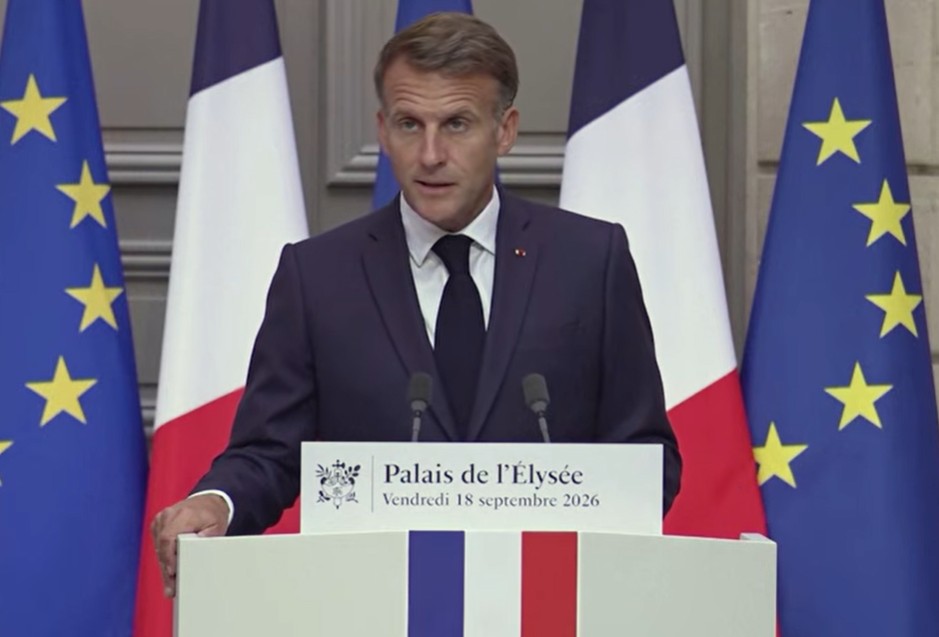

On Monday, September 21, 2026, during a meeting at the Élysée, Emmanuel Macron sounded the alarm about Russian aggression and its consequences for security in Europe. In a tense geopolitical context, the French president emphasized that the threats emanating from Russia are evolving, raising serious concerns among European leaders.
Macron's statements highlight an alarming reality: Europe must prepare for an escalation of tensions. As the situation worsens, cooperation among nations becomes more essential than ever to address this major challenge. What future awaits the European Union in the face of this growing threat?
Current Geopolitical Context in Europe
Tensions Between Russia and the EU
The tensions between Russia and the European Union (EU) are at a critical level. For several years, Russia has adopted an aggressive stance that worries European countries. These tensions are mainly due to:
- Military incursions in Ukraine.
- Support for separatist groups in the region.
- Cyberattacks targeting European infrastructures.
These actions have led to increasing instability in Europe. European leaders, including Emmanuel Macron, are concerned about the potential expansion of Russian ambitions.
The Impact of Sanctions on Relations
The sanctions imposed by the EU on Russia have a dual effect. On one hand, they aim to punish military actions and deter further aggression. On the other hand, they also affect economic relations between the two blocs.
Here are some consequences of the sanctions:
- Reduction in trade exchanges.
- Negative impact on the economies of both parties.
- Strengthening of alternative alliances for Russia, particularly with countries like China.
As a result, the situation remains tense. European leaders must navigate this complex context to ensure the sovereignty and security of Europe.
Statements by Emmanuel Macron
Summary of Remarks Made at the Meeting
During the meeting at the Élysée, Emmanuel Macron emphasized the growing importance of Russian aggression in Europe. He highlighted that Russia's actions represent a significant threat to the security of the continent. The President discussed several key points:
- Military buildup at Europe's borders.
- Use of disinformation to sow discord.
- Direct interventions in the internal affairs of European countries.
Macron concluded by calling for increased cooperation among European nations to address this threat.
Reactions from Other European Leaders
Macron's statements elicited varied reactions among other European leaders. Here are some notable responses:
- Angela Merkel expressed her support, emphasizing the need for European unity.
- Mario Draghi, the Italian Prime Minister, proposed joint measures to strengthen defense.
- Ursula von der Leyen stressed the importance of solidarity in the face of external threats.
These reactions indicate a collective awareness of the challenges posed by Russian aggression.
Imminent Threats: An Analysis
Possible Scenarios of Aggression
Emmanuel Macron highlighted several possible scenarios of aggression concerning Russia. These scenarios could have serious consequences for the security situation in Europe. Here are some examples:
- Cyberattacks on critical infrastructures, such as energy and communications.
- Military interventions in neighboring countries, particularly those in Eastern Europe.
- Manipulation of public opinion through disinformation campaigns.
These threats require constant vigilance and a swift response from European nations. Cooperation among countries is essential to face these challenges.
Military Preparations and European Defense
In light of these threats, European defense must intensify. EU countries are considering several measures:
- Strengthening military alliances, such as NATO.
- Increasing defense budgets to modernize armed forces.
- Forming rapid response groups to react to crises.
These preparations are crucial to ensure the security of European citizens and maintain peace on the continent.
Is Europe Ready for the Next War?
Assessment of Current Military Capabilities
The situation in Europe is concerning. Tensions with Russia raise questions about the military preparedness of European nations. Currently, several countries have strengthened their capabilities:
- Increase in military budgets: Many nations are investing more in their armies.
- Modernization of equipment: Armed forces are updating their materials to align with current threats.
- Joint military exercises: Maneuvers are organized to improve coordination among countries.
However, disparities exist. Some countries are better armed than others. This poses a challenge for a collective response.
The Role of NATO in European Defense
NATO plays a crucial role in Europe's security. The military alliance offers several advantages:
- Collective protection: An attack against one member is considered an attack against all.
- Information sharing: Member countries exchange intelligence to better anticipate threats.
- Training and support: NATO helps countries enhance their military capabilities through training.
Despite these assets, questions remain. The unity of members in the face of growing threats is essential. Cooperation is key to effective defense.
Consequences for the Population
Economic Impact of Tensions
Russian aggression and tensions in Europe have direct repercussions on the economy. The sanctions imposed on Russia lead to trade disruptions. This affects exchanges and the stability of European markets.
The most affected sectors include:
- Energy: Europe heavily relies on Russian gas. Supply cuts can lead to price increases.
- Agriculture: Exports of agricultural products are also impacted. Farmers are facing financial losses.
- Industry: Businesses, particularly in automotive and electronics, are encountering supply difficulties.
These economic impacts lead to an increased cost of living for citizens. Households must adapt to this new reality.
Concerns of European Citizens
European citizens are expressing growing concerns about the situation. Security is becoming a priority. Perceived threats influence their daily lives.
Concerns include:
- Personal security: Fears of military escalation are pervasive.
- Travel: Traveling in Europe may be perceived as risky.
- Social stability: Tensions can lead to protests and unrest.
This complex situation pushes governments to act swiftly to reassure the population. Communication is essential to maintain trust.
Future Perspectives
Possibilities for De-escalation
The current situation in Europe in the face of Russian aggression raises crucial questions. However, there are possibilities for de-escalation. Here are some avenues:
- Commitment to dialogue: Nations can initiate negotiations to ease tensions.
- Economic cooperation: Strengthening trade exchanges can reduce military tensions.
- International mediation: Organizations like the UN can play a key role.
These initiatives require a sincere commitment from all parties. The willingness to listen and understand is essential.
The Role of Diplomacy in the Crisis
Diplomacy is a fundamental tool for managing crises. Its role can manifest in several ways:
- Establishing communication channels: This avoids misunderstandings.
- Proposing peaceful solutions: Diplomacy can offer alternatives to confrontation.
- Strengthening alliances: Countries can unite to face common threats.
Diplomacy must be proactive. Ignoring tensions will only worsen the situation. A collective effort is necessary to build a peaceful future.


