




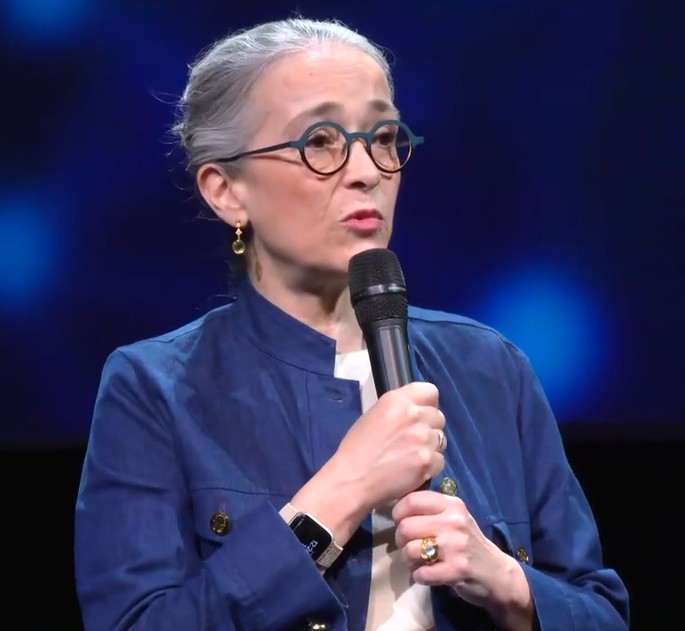

On Friday, September 18, 2026, Delphine Ernotte Cunci, president of France Télévisions, issued a serious alert: a reduction of 90 million euros is planned for 2026. This announcement marks a turning point for the public company, already struggling with increasing challenges.
The stakes are considerable. This financial crisis raises questions about the future of programming and the ability of France Télévisions to maintain its role as a public service. What will be the impacts on the quality of programs and the diversity of content offered? The time has come for concern and mobilization.
Context of the Crisis at France Télévisions
History of Challenges Faced
For several years, France Télévisions has been facing numerous challenges. The competition from streaming platforms has disrupted the audiovisual landscape. Traditional audiences are declining. Younger generations are turning to other media.
Here are some of the main challenges:
- Loss of audience on historical channels.
- Reduction in advertising budget.
- Changes in media consumption habits.
Impact of the Crisis on Public Service
The current crisis has direct consequences on public service. The planned reduction of 90 million euros by 2026 threatens the quality of programs. This could also affect the diversity of content.
Specific impacts include:
- Fewer original productions.
- Difficulties in attracting new talent.
- Risk of closing certain channels or shows.
These changes could alter France Télévisions' mission, which is to serve the public and offer a rich and varied cultural offering.
Measures Announced by Delphine Ernotte
Reduction of Budget by 90 Million Euros
On Friday, September 18, 2026, Delphine Ernotte Cunci, president of France Télévisions, announced a budget reduction of 90 million euros for the year 2026. This decision is the result of an unprecedented financial crisis affecting the group.
This budget cut will have a significant impact on the operations of France Télévisions. The reasons given for this measure include:
- A decrease in public subsidies.
- A drop in advertising revenues.
- A need to adapt to new media consumption patterns.
Areas Affected by Budget Cuts
The budget cuts will affect several key areas within France Télévisions. Here are the main sectors concerned:
- Content production: Fewer series and shows.
- Technological investments: Delays in upgrading equipment.
- Programming: Reduction of live events and shows.
These measures aim to ensure the sustainability of France Télévisions in an evolving media landscape. However, the consequences on the program offering and audience remain to be closely monitored.
Reactions from Unions and Staff
Protests and Employee Concerns
In response to the announcement of the 90 million euro reduction by Delphine Ernotte Cunci, employees of France Télévisions are expressing their concern. This situation is generating a tense atmosphere, with fears regarding the future of their jobs and the quality of programs.
Employees fear that this budget cut will lead to:
- Job cuts
- Weakened content
- Increased pressure on remaining teams
Protests are beginning to multiply, with gatherings to defend the future of public broadcasting.
Calls to Action from Unions
The unions of France Télévisions are reacting quickly. They are calling for a mass mobilization to make their voices heard. The unions believe that this budget reduction is unacceptable and highlight several demands:
- A guarantee of jobs
- A stable funding for public broadcasting
- An open dialogue with management
They are organizing meetings and assemblies to coordinate their actions and raise public awareness about this crisis affecting public service.
What is the Salary of the President of France Télévisions?
Analysis of Salaries in the Public Sector
The salary of Delphine Ernotte Cunci, president of France Télévisions, raises questions. In the public sector, salaries are often governed by strict rules. In 2026, her salary is estimated to be around 200,000 euros gross per year.
This remuneration is considered high for a public position, but it must be viewed in the context of the responsibilities that come with this role, including:
- Management of a budget of several billion euros.
- Coordination of all channels and services.
- Adapting to changes in the media market.
Comparison with Other Media Executives
To better understand the situation, it is interesting to compare the salary of Delphine Ernotte Cunci with that of other media executives:
| Name | Position | Annual Salary (in euros) |
|---|---|---|
| Delphine Ernotte Cunci | President of France Télévisions | 200,000 |
| Stéphane Richard | CEO of Orange | 1,400,000 |
| Gilles Pélisson | CEO of TF1 | 1,000,000 |
As can be seen, the salary of the president of France Télévisions is significantly lower than that of some executives in the private sector. This raises questions about the attractiveness of positions in the public sector, especially during times of crisis.
Long-term Consequences for France Télévisions
Impact on Programming and Creation
The planned reduction of 90 million euros for 2026 will have direct consequences on programming and creation within France Télévisions. Less funding means fewer new productions and tougher choices.
Here are some possible effects:
- Decrease in new programs: Less budget to innovate.
- Reduction in diversity: Fewer varied projects for different audiences.
- Impact on creative teams: Risk of layoffs or staff reductions.
These changes could also affect the quality of the content offered, leading viewers to turn to other platforms.
Repercussions on Audience and Public Trust
Public perception could be affected by these budget cuts. A less rich programming can lead to a decline in audience.
Consequences include:
- Decreased viewer loyalty: If the content does not meet expectations, people will look elsewhere.
- Loss of trust: Viewers may feel that France Télévisions no longer meets their needs.
- Risk of audience fragmentation: Young people may turn away from traditional channels in favor of streaming platforms.
It is crucial for France Télévisions to maintain a trust relationship with its audience, especially during times of crisis.
Towards a Structural Reform?
Proposals from Delphine Ernotte
Delphine Ernotte Cunci, president of France Télévisions, has announced several proposals to address this financial crisis. Among these proposals are:
- Restructuring teams to reduce costs.
- Preference for local production to boost the regional economy.
- Investment in digital to reach a wider audience.
These measures aim to maintain the quality of programs while adjusting the budget. The president also wishes to strengthen partnerships with other media.
The Future of Public Audiovisual Service in France
The public audiovisual service in France is at a turning point. With a budget reduction announced, it is crucial to redefine its role. The goal is to:
- Ensure equitable access to information.
- Promote cultural diversity on screen.
- Develop educational and informative content.
The sustainability of France Télévisions will depend on its ability to adapt to new media challenges. A structural reform thus seems inevitable to ensure a sustainable future.


