




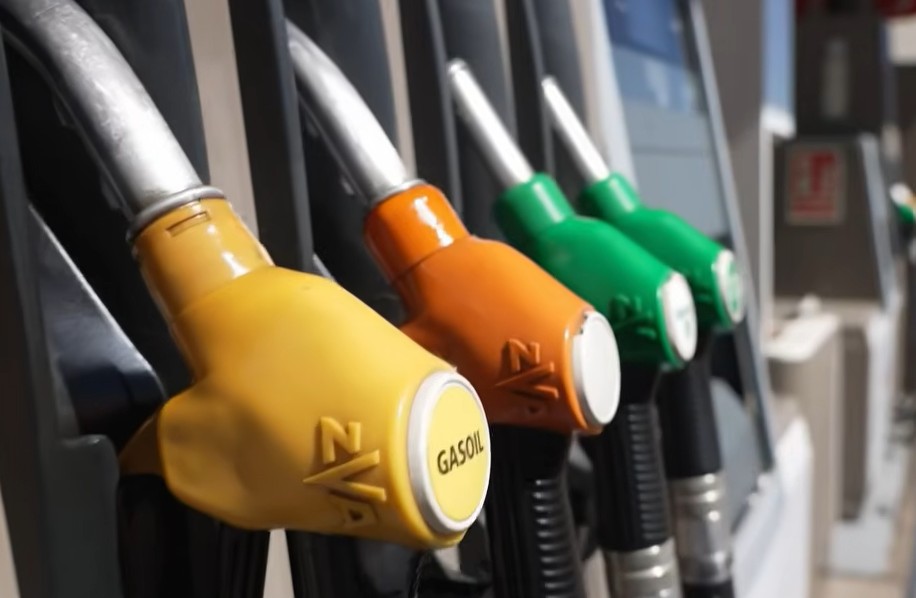

The surge in fuel prices in France has become a hot topic. On Thursday, September 17, 2026, unleaded petrol reached a historic high, while diesel is nearing unprecedented levels. In response to this situation, protests are multiplying across the country. Drivers and households are expressing their anger and frustration over this rise in costs, which heavily impacts their daily budget.
The reasons for this increase are numerous and complex, ranging from geopolitical tensions to tax hikes. In this article, we will delve deeply into the causes of this price crisis, the impact on the purchasing power of the French people, as well as the reactions from consumers and governments. Get ready to dive into a reality that closely affects the lives of millions of French citizens.
Context of the Fuel Price Surge
Causes of the Price Increase
The surge in fuel prices in France is due to several key factors. Among them:
- Rising Production Costs: Crude oil prices have climbed, directly impacting the cost of fuels.
- Fuel Taxes: The taxation on fuel remains high in France, putting pressure on consumers' budgets.
- Supply and Demand: Global demand for oil has increased, while supply has not kept pace, creating upward pressure on prices.
Impact of Geopolitical Tensions
Conflicts in certain regions of the world also play a major role. Here’s how:
- Political Instability: Oil-producing areas, such as the Middle East, are experiencing turmoil, hindering normal production.
- Economic Sanctions: Sanctions against certain producing countries affect oil supply.
- Volatile Markets: Markets react quickly to news, leading to significant price fluctuations.
These combined factors explain why fuel prices in France are reaching record highs.
Current State of Fuel Prices in France
Historical Price Comparison
The prices of fuel in France are experiencing an unprecedented surge. In September 2026, unleaded reaches levels never seen before. To better understand this situation, let’s examine the evolution of these prices over the past few years.
| Year | Average Unleaded Price (€/L) | Average Diesel Price (€/L) |
|---|---|---|
| 2020 | 1.40 | 1.30 |
| 2021 | 1.45 | 1.35 |
| 2022 | 1.60 | 1.50 |
| 2023 | 1.80 | 1.70 |
| 2026 | 2.10 | 2.00 |
As shown in this table, unleaded has seen an increase of nearly 50% since 2020. Diesel, while slightly less affected, is also following this upward trend.
Differences Between Unleaded and Diesel
The prices of unleaded and diesel are not only different in terms of cost but also due to several factors:
- Composition: Unleaded is generally more expensive to produce.
- Taxation: Taxes on unleaded are often higher.
- Demand: The demand for each type of fuel varies according to the seasons.
This price difference directly impacts drivers and businesses, increasing the cost of living and transportation. Current mobilizations reflect the growing concern regarding this trend.
Reactions from Consumers and Economic Actors
Mobilizations and Protests
The rise in fuel prices has prompted numerous reactions. On Thursday, September 17, 2026, mobilizations have multiplied across France. Consumers are expressing their dissatisfaction with this surge in prices.
Protests are taking place in several cities, including:
- Paris
- Lyon
- Marseille
- Bordeaux
Protesters are demanding solutions such as:
- A reduction in fuel taxes
- Financial aid for households
These gatherings highlight the direct impact of rising prices on the purchasing power of the French people.
Responses from Businesses and the Government
In response to this situation, businesses and the government are reacting. Some transport and logistics companies are considering raising their rates. This could have repercussions on the prices of consumer goods.
The government, for its part, has promised to explore possible aid options. Discussions are ongoing regarding:
- A possible reduction in VAT on fuels
- Subsidies for low-income households
These measures aim to mitigate the impact of the price increase and support struggling consumers.
Consequences on the Purchasing Power of the French
Impact on Households
The surge in fuel prices has direct repercussions on the purchasing power of the French. Indeed, the increase in the price of unleaded and diesel heavily weighs on family budgets. Here are some major consequences:
- Increased Transportation Costs: Daily commutes become more expensive, especially for those who rely on their cars.
- Price Increases for Goods: Transportation costs impact the prices of products, affecting shopping expenses.
- Pressure on Savings: Households must cut other expenses to compensate for rising fuel-related costs.
These factors create a growing concern among the French, who fear for their purchasing power in the short and medium term.
Forecasts for the Coming Months
Analysts predict that the upward trend in fuel prices could continue. Several elements could influence this situation:
- Fluctuations in the Global Market: Geopolitical tensions and variations in supply and demand can drive prices up.
- Tax Increases: If the government decides to raise taxes on fuels, prices will continue to rise.
- Energy Transition: Efforts to reduce the use of fossil fuels could also lead to additional short-term costs.
In summary, the coming months are expected to be critical for the purchasing power of the French, with implications that deserve close attention.
Proposed Solutions to Address the Increase
Possible Government Measures
In response to the surge in prices of fuel, the French government is considering several measures to mitigate the impact on consumers. Among these:
- Temporary subsidies to reduce the cost of fuel.
- Reduction of taxes on fuels, allowing for an immediate decrease in pump prices.
- Price regulation to prevent abuse and speculation.
- Encouragement of energy alternatives such as electric or hydrogen vehicles.
Alternatives for Consumers
Consumers can also adopt behaviors to cope with this increase. Here are some alternatives:
- Using public transportation, which is more economical and environmentally friendly.
- Carpooling to share fuel costs.
- Electric vehicles, which offer a long-term solution to dependence on oil.
- Optimizing travel routes by consolidating errands to reduce fuel consumption.
These solutions, combined with government actions, could help manage this fuel price crisis.


