




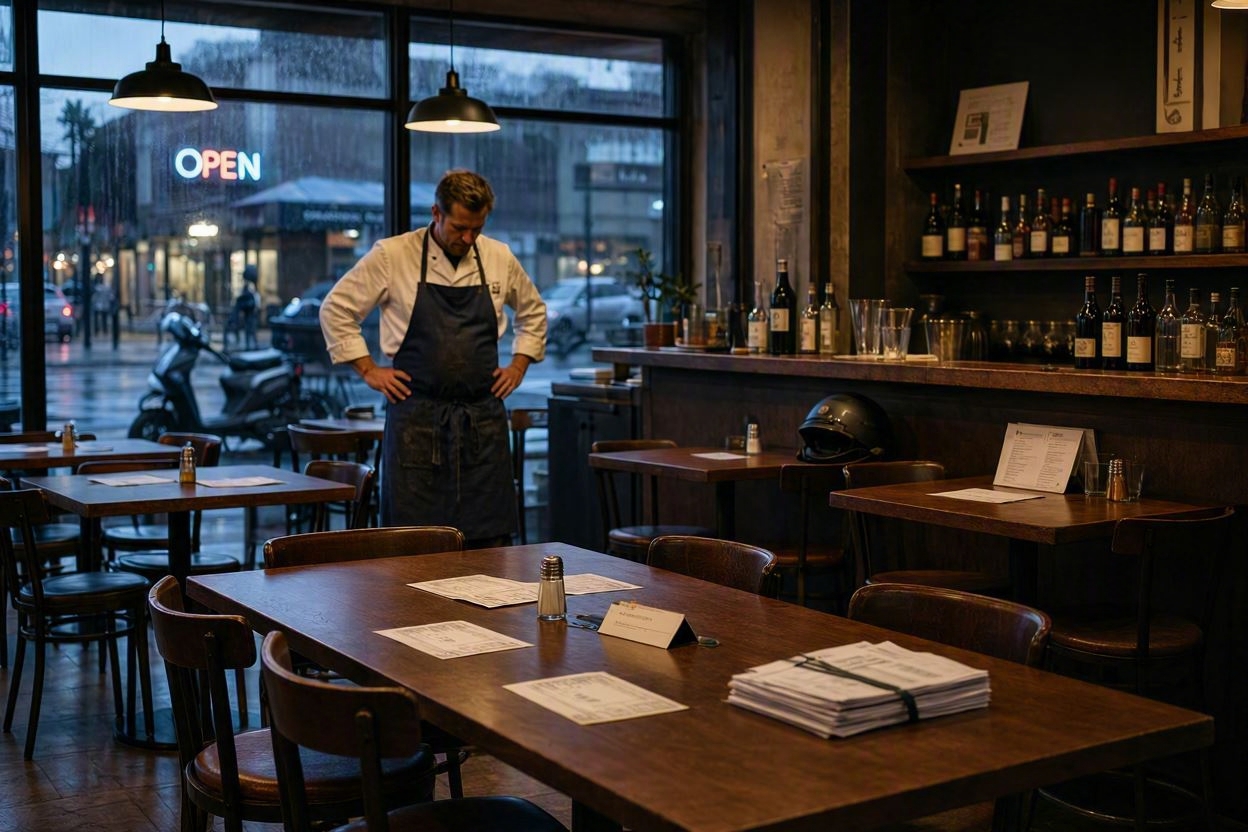

The crisis in the restaurant industry has become a troubling reality in 2026. Over 4,900 establishments have already experienced failures this year, representing a 7% increase compared to the previous year. Despite a scorching summer that could have encouraged outings, the trend has not reversed.
This alarming observation raises crucial questions for the future of the sector. Why are so many establishments struggling to survive? What are the true reasons behind this situation? In this article, we will explore the causes of this crisis, its impacts on consumption, and the strategies that restaurateurs can adopt to adapt.
State of the Restaurant Crisis in 2026
Key Figures: Failures and Trends
In 2026, the crisis in the restaurant industry is worsening. More than 4,900 establishments have faced failures since the beginning of the year. This represents a 7% increase compared to 2025. These figures are alarming and reveal a concerning trend.
Here are some key figures:
- 4,900 establishments in failure in 2026.
- 7% increase compared to 2025.
- Restaurants, cafes, and bars are the most affected.
- A heatwave summer that did not improve the situation.
Main Causes Analysis
Several factors explain this increase in failures within the sector. Here are the main causes:
- High operational costs: prices for ingredients and services are rising.
- Changing consumer habits: customers prefer delivery and takeaway meals.
- Competitive pressure: new players are entering the market, making competition tougher.
- Extreme weather conditions: hot summers discourage some customers from going out.
These elements contribute to an increasingly difficult situation for restaurant professionals. The need to adapt and innovate is more pressing than ever.
Impact of the Heatwave on Consumption
Consumer Behavior
The heatwave has profoundly influenced consumer behavior in the restaurant sector. During periods of intense heat, customers often change their purchasing habits. Here are some notable changes:
- Preference for terraces and outdoor spaces.
- Increased demand for cold drinks and light dishes.
- Reduction in dining out, with consumers preferring meals at home.
These behaviors directly impact the attendance of restaurant establishments. Restaurants must adapt to attract customers despite the heat.
Effects on Revenue
The revenues of restaurants have been affected by the heatwave. While some establishments have experienced a spike in beverage sales, others have suffered. The impacts are varied:
- Summer-themed restaurants have recorded increased sales.
- Traditional establishments have seen a decrease in attendance.
- Delivery services have gained popularity.
As a result, the heatwave has not only changed behaviors but has also had a significant impact on the financial results of restaurants. Many of them now need to rethink their offerings and strategies to adapt to this new environment.
Challenges Faced by Restaurateurs
Staff Shortages
The staff shortage is one of the main challenges faced by restaurateurs. Many establishments struggle to recruit cooks, servers, and other essential employees. This situation has several causes:
- Increased competition between sectors
- Difficult working conditions
- Salaries that are not always attractive
This labor crisis leads to delays in service and a quality of service that may suffer. Restaurateurs need to innovate to attract and retain their teams.
Rising Costs and Pressure on Margins
The costs of raw materials continue to rise, directly impacting the profit margins of establishments. Restaurateurs must face price increases on:
- Food
- Beverages
- Supplies and equipment
This increase in costs, combined with a decrease in clientele due to the crisis, forces restaurateurs to reconsider their pricing and adjust their strategy. They must find a balance between profitability and customer satisfaction.
What Are the Forecasts for the Restaurant Crisis in 2026?
Pessimistic and Optimistic Scenarios
The situation in the restaurant sector raises concerns. The forecasts for 2026 fall into two scenarios: pessimistic and optimistic.
In the pessimistic scenario:
- A continuing increase in failures, with a risk of closure for many establishments.
- Increased competition among restaurateurs, leading to a price war.
- A difficulty in attracting customers, even during peak periods.
In contrast, the optimistic scenario envisions:
- A stabilization of the market through local initiatives.
- An increase in clientele due to events and promotions.
- Innovation in menus and services, attracting new customers.
Possible Recovery: Strategies to Consider
To cope with this crisis, several strategies can be implemented:
- Adopt a strong online presence: use social media to attract customers.
- Offer special deals and promotions to boost sales.
- Invest in customer experience: improve service and ambiance to retain clientele.
These actions can help establishments recover and adapt to an ever-changing market.
Testimonials from Industry Professionals
Experiences and Perspectives
Many restaurant professionals share their experiences facing this crisis. The testimonials reveal a difficult reality:
- An increase in the costs of ingredients and overheads.
- Fewer customers, affected by inflation.
- Increased competition with new players in the market.
These challenges are prompting restaurateurs to rethink their business model. For instance, some report a 30% decrease in their revenue compared to the previous year.
Implemented Solutions and Results
To address the crisis, several establishments have implemented innovative solutions:
- Menu adaptation to reduce costs.
- Utilization of social media to attract a new clientele.
- Collaboration with local producers for quality ingredients at reasonable prices.
These initiatives have allowed some restaurants to maintain their activity. For example, one restaurateur noted a 20% increase in clientele thanks to promotions on social media.
Conclusion: The Future of the Restaurant Industry Amid the Crisis
The current crisis in the restaurant sector is concerning. With more than 4,900 establishments in failure since the beginning of 2026, the situation is alarming. A 7% increase compared to 2025 demonstrates the magnitude of the challenges faced by restaurateurs.
Despite a heatwave summer that could have attracted more customers, the trend has not reversed. Several factors explain this situation:
- Rising costs: The prices of raw materials continue to soar, reducing profit margins.
- Changing behaviors: Consumers increasingly favor home dining or fast food options.
- Human resources: The shortage of skilled labor impacts service quality.
Restaurateurs must adapt to survive. This may involve:
- Better cost management.
- A diverse offering to attract new customers.
- Increased presence on social media to enhance visibility.
In conclusion, the future of the restaurant industry will depend on establishments’ ability to adjust to the new market realities. The challenges are significant, but opportunities also exist for those who can innovate.


