




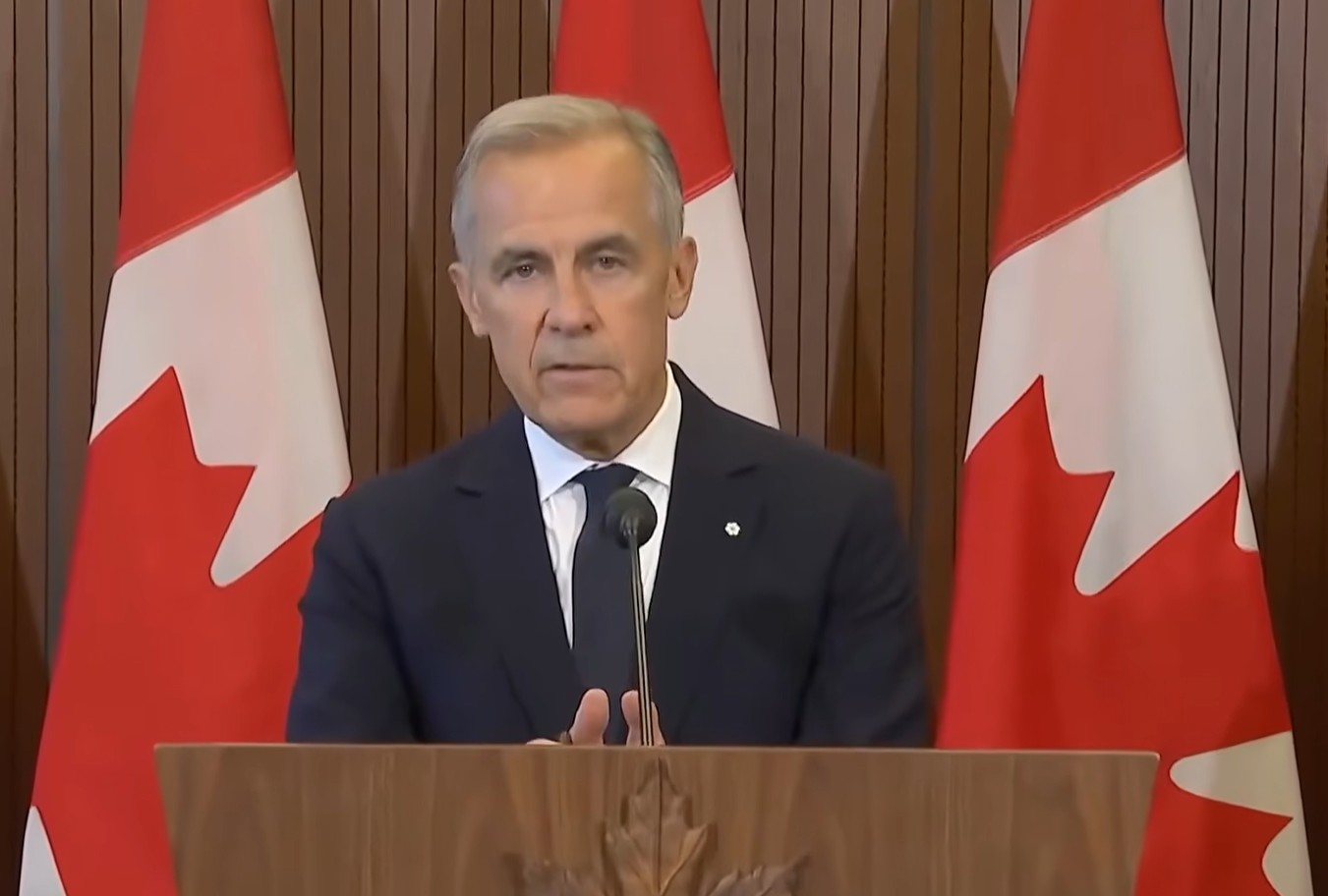

This Tuesday, August 25, 2026, a major decision was made: Mark Carney, the Prime Minister of Canada, broke off negotiations to defend Quebec’s cultural exception. Why such a choice? The threats posed by the Trump administration are placing significant pressure on Quebec’s culture and identity. This breakdown could change the outlook for the province’s cultural and economic future.
Against a backdrop of trade tensions, Carney has chosen to prioritize the protection of local arts and culture. The decision has sparked passionate debate. The stakes are crucial: preserving Quebec’s cultural diversity in the face of American dominance. What consequences will this have for Quebec and beyond?
In this article, we will explore the implications of this breakdown and the importance of the cultural exception in a world where identities are often under pressure.
Context of the Trade Negotiations Between Canada and the United States
History of Trade Relations
Trade relations between Canada and the United States go back several decades. The two countries share the world’s longest undefended border and have developed significant economic ties.
Since the North American Free Trade Agreement (NAFTA) in 1994, trade has flourished. However, these relations have experienced ups and downs, particularly with the arrival of the Trump administration, which has pursued protectionist policies. This has created tensions on several fronts.
The Stakes of Quebec’s Cultural Exception
Quebec’s cultural exception is a principle designed to protect Quebec’s culture and identity. It allows local cultural industries to receive support in the face of American dominance. Several key issues are at stake:
- Protection of artists: Quebec artists benefit from measures that support their creative work and its distribution.
- Unfair competition: American content often dominates the market, threatening local productions.
- Cultural identity: Protecting the cultural exception is essential to preserving Quebec’s uniqueness.
These issues are at the heart of the negotiations. Mark Carney and his team’s position is to defend this exception against threats from the Trump administration. The decision aims to preserve Quebec’s cultural and economic balance.
Mark Carney’s Statements
Analysis of Carney’s Speech
Mark Carney stated that protecting Quebec’s cultural exception is of paramount importance. According to him, this exception makes it possible to preserve Quebec’s identity and cultural diversity in the face of external threats, particularly those posed by the Trump administration.
In his speech, Carney highlighted several key points:
- The need to defend Quebec’s arts and culture.
- The role of institutions in safeguarding culture.
- The economic impact of such protection.
He also stressed the importance of Quebecers’ unity in this struggle. For him, every voice counts.
Media and Public Reactions
Carney’s statements have generated a wide range of reactions. The media have highlighted his speech, emphasizing the Prime Minister’s determination to protect the cultural exception.
Public opinion is divided:
- Some applaud his commitment.
- Others believe this could create tensions with the United States.
Social media has also been buzzing, with hashtags such as #ProtectionCulturelle and #CarneyDefend emerging.
The Consequences of the Failed Negotiations
Impact on Quebec’s Culture
Mark Carney’s decision to break off the negotiations could have profound consequences for Quebec’s culture. The decision aims to protect the unique cultural elements that define Quebec. Without such protection, several aspects of its culture could be at risk.
- The French language could face increased pressure, leading to a decline in its use.
- Quebec’s arts and film industries could be dominated by American productions.
- Local artists could have less visibility on major platforms.
Ultimately, the failure of the negotiations could lead to cultural homogenization, with Quebec’s distinctive characteristics being pushed aside.
Economic Repercussions for Canada
The economic consequences of this situation should not be underestimated. Culture is an important source of revenue for many industries in Quebec.
- Film production could experience reduced funding, affecting jobs.
- Exports of cultural products could decline, impacting the local economy.
- Tourists attracted by Quebec’s unique culture could choose other destinations.
Protecting the cultural exception is therefore crucial to maintaining a dynamic and diversified economy in Canada.
Cultural Challenges Under the Trump Administration
Defending the French Language
The French language lies at the heart of Quebec’s identity. In the face of threats from the Trump administration, defending it is crucial. American policies can influence culture and the media in Quebec. This could lead to the anglicization of content and a loss of cultural diversity.
Several measures could be considered to protect the language:
- Strengthening legislation protecting the French language and Francophone culture.
- Promoting Francophone culture internationally.
- Supporting Quebec artists and creators.
The Importance of Cultural Identity
Quebec’s cultural identity is unique. It is based on a blend of traditions, values, and history. This identity is threatened by American cultural dominance. The commercialization of the media can overshadow local productions.
Protecting this identity is essential to:
- Preserve cultural diversity.
- Encourage local creativity.
- Promote a sense of belonging among Quebecers.
Ultimately, defending the French language and cultural identity is a matter of survival for Quebec. It is a challenge that Mark Carney has chosen to take on in the face of the Trump administration.
Future Prospects for Canada and Quebec
Cultural Defense Strategies
In the face of threats from the Trump administration, Quebec must implement cultural defense strategies. These include:
- Strengthening legislation protecting Quebec’s culture.
- Increased support for local artists and creators.
- Promoting Quebec productions internationally.
These strategies aim to preserve Quebec’s unique cultural identity. By drawing on its cultural wealth, Quebec can withstand external pressures.
Canada’s Position on the International Stage
Canada must also adopt a clear position on the international stage. This means:
- Reaffirming its commitment to the cultural exception.
- Working with other countries to defend cultural rights.
- Using international forums to discuss cultural issues.
By taking a firm stance, Canada can become a leader in defending culture in the face of global challenges. This would strengthen not only Quebec, but the country as a whole.


