




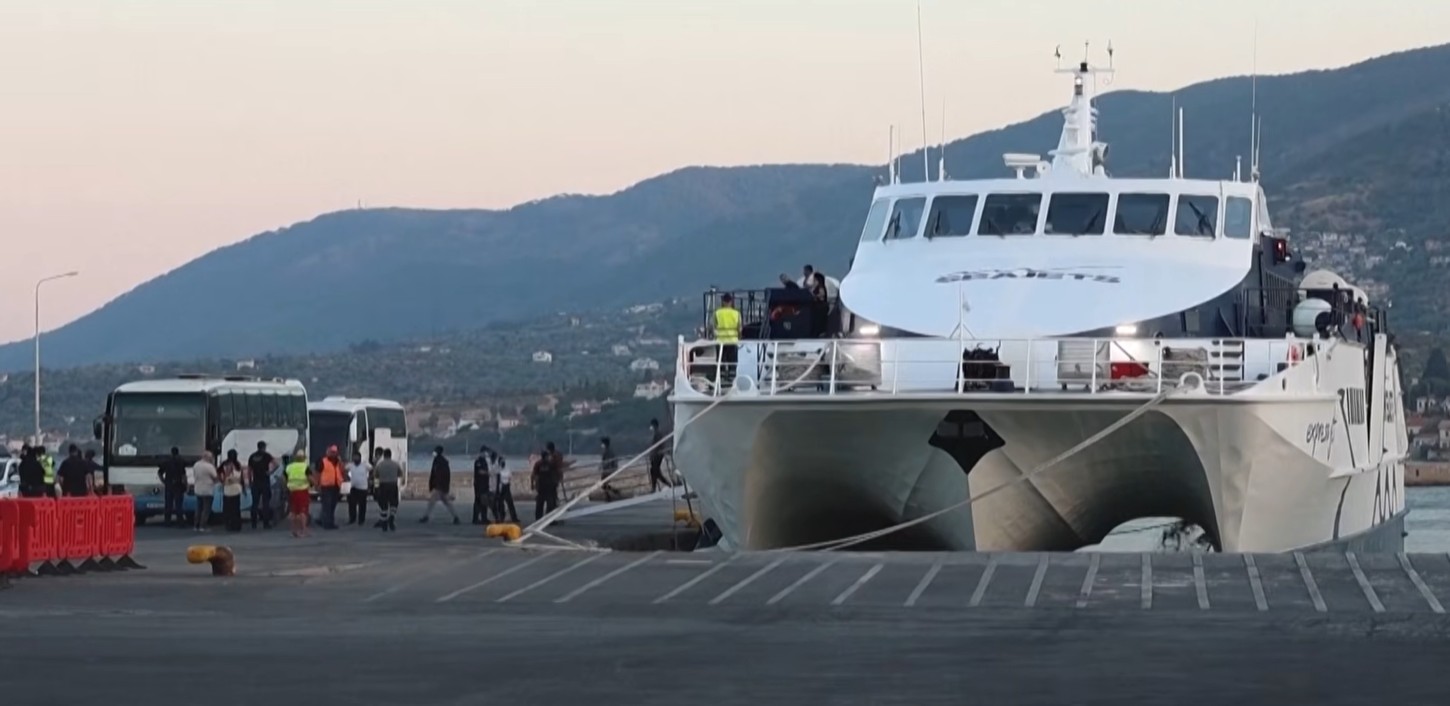

On Tuesday, August 25, 2026, the situation of migrants in the Aegean Sea made headlines once again. Inflatable boats were spotted by a Frontex drone, the European Border and Coast Guard Agency. This highlights the crucial importance of maritime surveillance to save lives.
Every day, thousands of people attempt to reach Europe, often at the risk of their lives. The operations of the Hellenic Coast Guard are intensifying to address this humanitarian crisis. In this article, we will explore the stakes and challenges related to this dramatic situation.
Context of the Migration Crisis in the Aegean Sea
Migratory Routes and Dangers at Sea
The Aegean Sea has become a main route for many migrants seeking to reach Europe. Every year, thousands of people leave their home countries to escape war, poverty, or persecution.
However, these journeys are often very dangerous. Migrants frequently use overloaded rubber boats, which significantly increases the risk of capsizing. Weather conditions can also play a critical role, making the crossing even more perilous.
Statistics show that:
- Hundreds of people drown each year in the Aegean Sea.
- Smuggler networks exploit the vulnerability of migrants.
- Many boats are in poor condition and cannot withstand rough seas.
The Role of Frontex in Maritime Surveillance
Frontex, the European Border and Coast Guard Agency, plays a crucial role in maritime surveillance of the Aegean Sea. Its main mission is to enhance the security of the EU's external borders.
Here are some of its functions:
- Detection of distressed vessels using drones and other technologies.
- Coordination with the Hellenic Coast Guard for rescue operations.
- Analysis of migratory flows to better understand trends.
By intervening quickly, Frontex helps save lives and manage the migration crisis more effectively.
Operations of the Hellenic Coast Guard
Rescue and Interception: An Overview of Recent Operations
The Hellenic Coast Guard plays a crucial role in managing migratory flows in the Aegean Sea. Recently, they have intensified their efforts to intercept migrant vessels. These operations often occur in coordination with surveillance drones.
Here are some key points about their recent operations:
- Rubber boats are regularly spotted using advanced technologies.
- Interventions are carried out quickly to ensure the safety of migrants.
- Operations focus on the most frequently used migratory routes.
The coast guard often faces emergency situations. They must act quickly to prevent tragedies at sea. Each interception is followed by an assessment of the migrants' needs.
Collaboration with International Agencies
To enhance their effectiveness, the Hellenic Coast Guard collaborates with several international agencies, including Frontex, the European Border Guard Agency. This cooperation is essential for sharing resources and information.
The benefits of this collaboration include:
- Better access to data on migratory movements.
- Ongoing training for field teams.
- Additional material resources, such as drones and vessels.
By working together, the coast guard and international agencies can improve the humanitarian response at sea. This also allows for better management of crisis situations.
Migrant Statistics in the Mediterranean Sea
How Many Migrants Have Died in the Mediterranean?
The Mediterranean Sea has tragically become a graveyard for many migrants. According to data, several thousand people have lost their lives while attempting to cross this sea. In 2021, it was estimated that over 3,000 migrants died or went missing at sea. This figure is alarming and underscores the need for an effective humanitarian response.
Trends in Arrivals and Deaths Since 2015
Since 2015, the trends in arrivals and deaths in the Mediterranean Sea have varied. The figures show annual fluctuations. Here’s an overview of the trends:
- In 2015, over a million migrants reached European shores.
- The following years saw a decrease, with about 170,000 arrivals in 2019.
- Deaths remain concerning, with a high mortality rate, reaching nearly 1,300 in 2020.
These trends indicate the ongoing challenges faced by migrants. Policies must evolve to ensure their rescue and protection.
Humanitarian Challenges Related to Migration
Living Conditions of Migrants at Sea
The situation of migrants in the Aegean Sea is often critical. Many flee conflicts and difficult living conditions. At sea, they are exposed to various dangers:
- Extreme weather conditions
- Overcrowding in rubber boats
- Lack of food and drinking water
These factors make the crossing extremely perilous. Migrants often have to navigate for days or even weeks in precarious conditions.
Response from NGOs and Governments
In response to this situation, NGOs and governments are trying to find solutions. Their response includes:
- Rescue operations at sea
- Provision of food and medical care
- Creation of reception centers
However, resources are often limited. The coast guard and NGOs must collaborate to ensure the safety of migrants. Coordination is essential to improve living conditions at sea.
Future Perspectives for Migration Management
Necessary Reforms Within the EU
Managing migration in Europe requires deep reforms. EU member states must collaborate to create a coherent migration policy. Here are some key points:
- Harmonization of laws: Countries must adopt similar laws regarding asylum.
- Sharing responsibilities: Equitably distribute migrants among member states.
- Financial support: Funds must be allocated to assist frontline countries.
Effective reforms can improve the situation for migrants and facilitate their integration.
The Role of Migrants' Countries of Origin
The countries of origin of migrants have a crucial role to play in managing migration. Several actions can be taken:
- Political stability: Promote peace to reduce departures.
- Economic development: Create job opportunities to limit exodus.
- Education and awareness: Inform about the dangers of dangerous migratory journeys.
Close collaboration between the EU and these countries could mitigate migratory flows and improve living conditions.


