




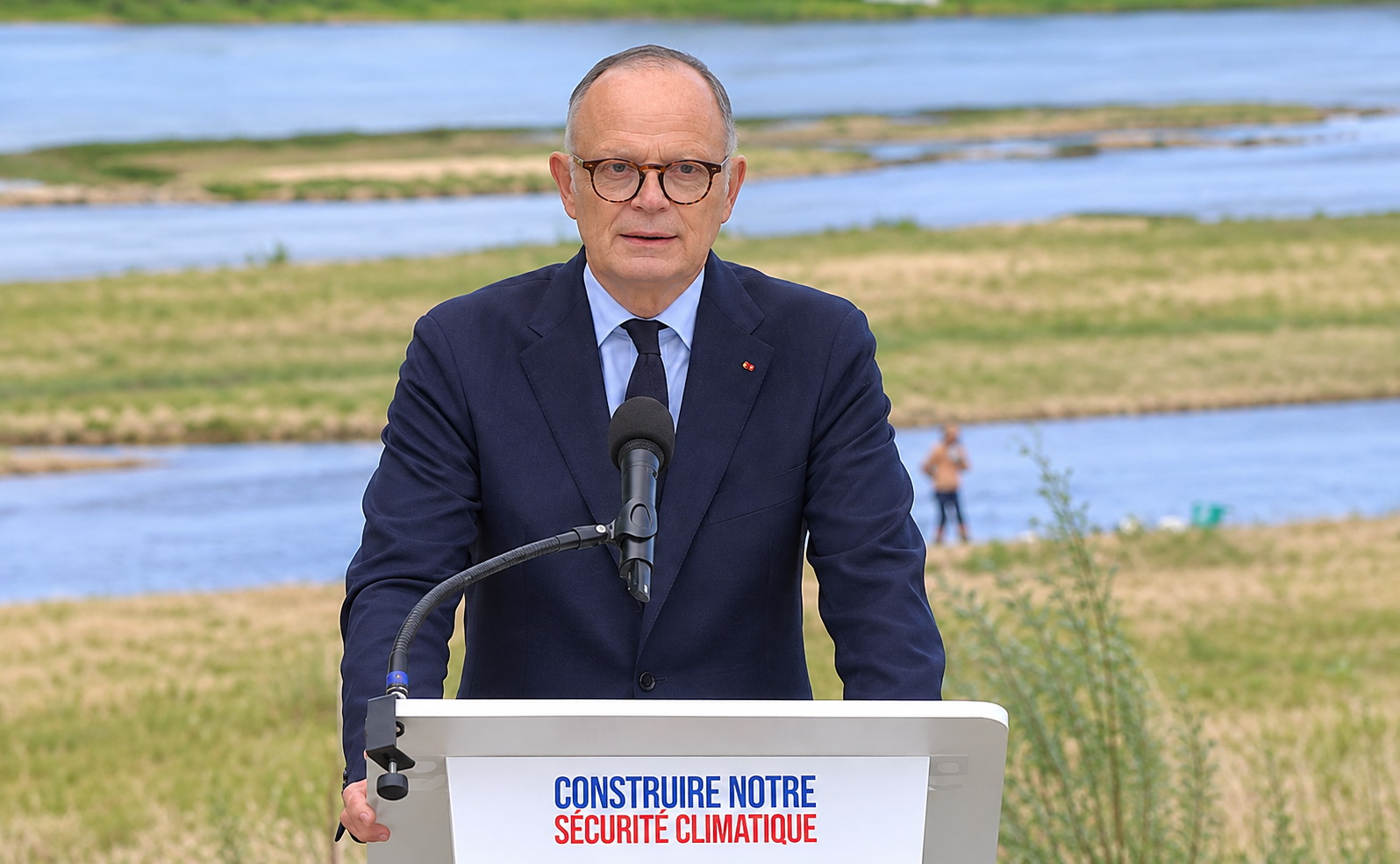

On November 18, 2026, a new Ifop-Fiducial barometer sheds light on the French political scene. Former Prime Minister Édouard Philippe seems to be stalled in his quest for the second round. However, attention is turning towards a looming duel between the National Rally (RN) and La France Insoumise (LFI).
This dynamic signals a major upheaval in the upcoming elections. The tensions between these two parties, which capture voters’ attention, could redefine the political stakes. What will be the consequences for Philippe and the French political landscape?
In this article, we will explore the barometer results, the challenges facing Édouard Philippe, and the implications of such an electoral duel.
Current Political Context in France
The Stakes of the 2026 Elections
The 2026 elections are shaping up to be crucial for the political future of France. Several major issues are emerging:
- Economic Reforms: Managing the post-COVID economic crisis remains a priority.
- Ecological Transition: Candidates must propose concrete solutions to address climate change.
- National Identity: Issues of immigration and security are at the heart of debates.
- European Union: France’s position within the EU needs to be clarified.
These issues will influence voters’ choices and determine the political landscape to come.
The Role of Polls in French Politics
Polls play a crucial role in French politics. They measure public opinion and anticipate election results. Here are some key points:
- Popularity Indicators: Polls reveal candidates’ popularity.
- Media Influence: They fuel public debate and political analysis.
- Campaign Strategies: Results can influence party tactics.
In summary, polls are valuable tools for understanding electoral dynamics in France. They shape expectations and candidates’ strategies.
Édouard Philippe: A Political Career of Ups and Downs
His Term as Prime Minister
Édouard Philippe served as Prime Minister of France from May 2017 to July 2020. During his term, he faced many challenges. Among the most notable:
- The management of the Yellow Vests crisis.
- The reform of pensions.
- The fight against the COVID-19 pandemic.
These events left a mark on his image. Despite notable successes, his popularity fluctuated. This impacted his strategy for the upcoming elections.
The Challenges Faced During His Candidacy
During his candidacy, Édouard Philippe navigated a complex political landscape. Several debates and controversies emerged:
- The perception of his detachment from grassroots issues.
- Criticism of his political legacy.
- The rise of his opponents, notably the RN and LFI.
These challenges contributed to his distancing from the second round. Nevertheless, he remains a key player in the French political scene.
Analysis of the Ifop-Fiducial Barometer
Key Figures from the Poll
The Ifop-Fiducial barometer revealed significant trends in the electoral race. Here are the key figures to remember:
- Édouard Philippe is lagging far behind in voting intentions.
- The National Rally (RN) and La France Insoumise (LFI) are competing for the top spots.
- Nearly 30% of voters are undecided.
These figures show an evolving electoral dynamic, with voices polarizing towards the extremes.
Expert Interpretation of the Results
Experts analyze these results closely. Here are some essential points:
- Édouard Philippe’s low score may indicate a rejection of his political style.
- The rise of the RN and LFI suggests a radicalization of voters.
- The undecided represent an opportunity for all candidates to mobilize votes.
Analysts believe that this duel between the RN and LFI could redefine the French political landscape.
The RN-LFI Duel: A New Dynamic
The Strategies of Marine Le Pen and Jean-Luc Mélenchon
The two leaders, Marine Le Pen and Jean-Luc Mélenchon, adopt distinct approaches to mobilize their voters.
Marine Le Pen focuses on:
- A clear communication around security and immigration issues.
- A strong local presence, addressing citizens’ concerns.
- Economic proposals centered on purchasing power.
On the other hand, Jean-Luc Mélenchon prioritizes:
- An engaged rhetoric, focused on social justice and ecology.
- Popular gatherings to galvanize his supporters.
- A fierce critique of institutions and inequalities.
This dynamic creates a genuine ideological confrontation on the ground.
Impact on the French Political Landscape
The duel between the National Rally (RN) and La France Insoumise (LFI) is transforming the political landscape.
Here are some notable effects:
- Increased polarization of electorates, making compromises more difficult.
- An influx of new voters, attracted by strong themes and clear positions.
- A redefinition of alliances, where traditional parties struggle to find their place.
This duel signals tense elections, where every vote will count. The stakes are clear and strategies well-targeted.
Consequences for Édouard Philippe’s Future
The Political Options Available to Him
Édouard Philippe, former Prime Minister, finds himself at a political crossroads. After failing to reach the second round, several choices are available to him:
- Political Retirement: He could choose to withdraw from the political scene and focus on his career in the private sector.
- Repositioning: Philippe could attempt to move closer to the center to attract a broader electorate.
- Creating a New Movement: Another option would be to found a party that advocates moderate values.
- Returning to Local Functions: He might consider resuming a role as mayor of Le Havre or in another local government.
Each of these options presents risks and opportunities, and his future choices will define his political legacy.
Public and Analyst Reactions
Reactions to Édouard Philippe’s situation are varied. Some analysts believe he has considerable potential, while others see him as a declining leader.
Among notable reactions:
- Optimism: Some argue that he still has a chance to bounce back, especially with his reputation as a manager.
- Pessimism: Others argue that his failure to reach the second round may tarnish his credibility.
The public appears divided. Some hope for a comeback, while others turn to new political faces. Time will tell if Édouard Philippe can capitalize on this situation or fade from the political scene.
Conclusion: An Election Marked by Uncertainty
Lessons to Be Learned from This Situation
This 2026 election teaches us several important things. Firstly, the French political landscape is constantly evolving. Traditional parties, like that of Édouard Philippe, seem to be losing influence.
Secondly, the potential duel between the National Rally (RN) and La France Insoumise (LFI) shows that voters are looking for clear alternatives. Here are some key lessons:
- Adaptability: Candidates must be flexible in response to voters’ expectations.
- Polarization: Opinions are dividing, making it difficult to unify voices.
- Importance of Polls: These can influence candidates’ strategies.
Perspectives for Voters and Candidates
For voters, this situation raises crucial questions. Who truly represents their interests? What future for France will depend on the choices made in this election?
For candidates, it is essential to remain attentive to citizens’ concerns. They must propose concrete solutions to current problems. The challenge is to convince an electorate seeking change while avoiding extremes.
Finally, the mobilization of voters will be decisive. Every vote will count in such an uncertain political landscape. Voter turnout could very well make the difference between a mere duel and a genuine transformation of the French political landscape.


