




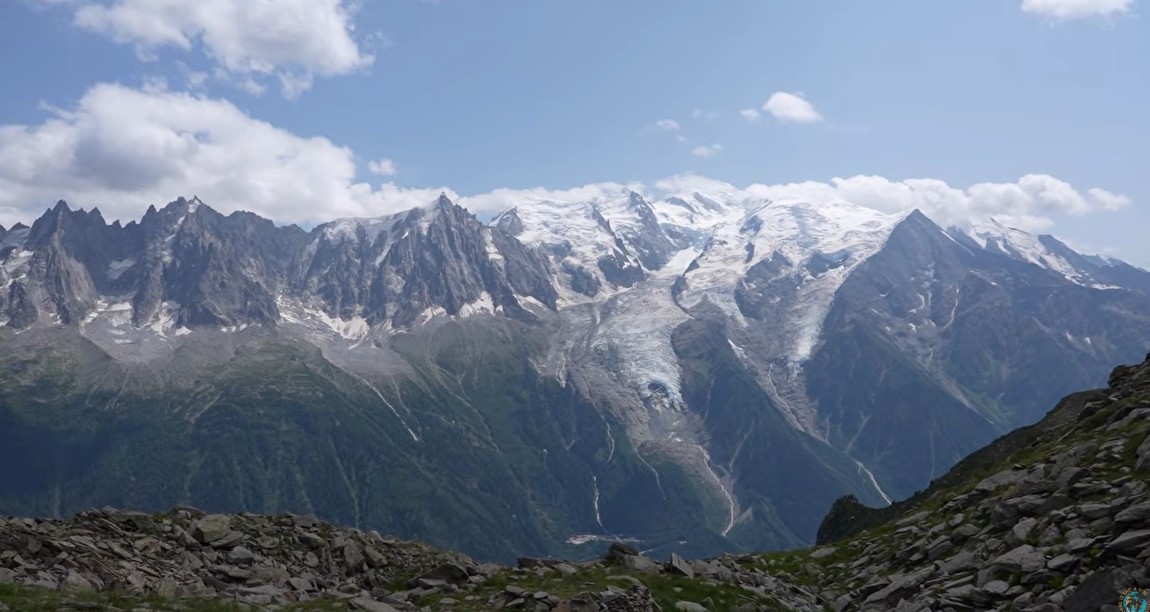

On Thursday, August 20, 2026, Mont Blanc finds itself in an alarming situation. Extreme temperatures are weakening access paths, making the ascent nearly impossible. Climbers, who dream of reaching the summit, must now revise their plans. What is really happening in this iconic region?
In the face of this climate crisis, it is essential to understand the consequences of weather conditions on access to this mythical mountain. These changes affect not only the shelters and climbing routes but also the safety of adventurers. This article delves into the current challenges facing Mont Blanc.
The Consequences of Extreme Temperatures on Access to Mont Blanc
Impact on Shelters and Climbing Routes
Extreme temperatures severely affect the shelters and climbing routes on Mont Blanc. Intense heat melts snow and ice, weakening structures. Many shelters, usually open to climbers, must temporarily close.
The access routes, on the other hand, become more dangerous. Loose rocks and unstable terrain increase the risk for climbers. In fact, several popular routes have been declared inaccessible due to these conditions.
Increase in Rockfalls
With rising temperatures, rockfalls are becoming more frequent. The melting snow exposes rocks, which become unstable. This leads to an increased risk for climbers during ascents.
Authorities recommend climbers to:
- Assess weather conditions before departure.
- Avoid risky areas during heat periods.
- Use appropriate safety equipment.
These measures are crucial to ensure the safety of adventurers wishing to explore Mont Blanc.
Shelter Closures: An Alarming Situation
Tête Rousse and Goûter Shelters Closed
The Tête Rousse and Goûter shelters, essential waypoints for climbers, are now closed. This decision was made due to the extreme temperatures that weaken access routes. These shelters, located at high altitudes, cannot guarantee the safety of hikers.
The closures of these shelters lead to several consequences:
- Climbers must give up their ascents,
- Alternative routes are often more dangerous,
- Tourist traffic to the region may decrease.
Reactions from Mountain Guides
Mountain guides express their concern regarding this situation. They emphasize that these closures are an alarming sign of climate change. Some guides share their experiences:
"We have never seen this before. Conditions are increasingly unpredictable," declares a local guide. Others add that the safety of climbers must take precedence over the desire to reach the summit.
Guides are calling for caution and recommend hikers to monitor weather developments. They stress the importance of respecting the authorities' decisions regarding the shelters.
Alternative Routes in the Face of Inaccessibility
Limited Options for Climbers
With the inaccessibility of Mont Blanc, climbers must seek alternative routes. However, these options are becoming increasingly rare.
Here are some alternatives often considered:
- Mont Maudit: A neighboring peak, but less frequented.
- Contamine Route: A technical but risky option.
- Surrounding Glaciers: Offer different routes but require good preparation.
These routes present unique challenges. Climbers must be cautious and well-prepared.
Increased Risks for Amateurs
Extreme temperatures heighten the risks for amateur climbers. The absence of secure routes can lead to:
- Frequent rockfalls.
- Hidden crevasses beneath melting snow.
- Poor visibility due to weather conditions.
Aficionados must therefore rethink their plans. Adequate training and specialized equipment become essential for any expedition.
The Impact of Weather Conditions on Alpine Tourism
Economic Consequences for Guides
Extreme weather conditions directly affect mountain guides. When access to Mont Blanc becomes difficult, their business suffers. Here are some consequences:
- Reduction in client numbers
- Decrease in income
- Increased safety costs
Guides must adapt their offerings. Some turn to less popular routes. They also need to invest in training to ensure the safety of their clients.
The Rise of Illegal Tourism
In the face of Mont Blanc's inaccessibility, some tourists choose to ignore the rules. They attempt ascents via unregulated routes. This poses problems:
- Risk of accidents
- Environmental impact
- Increased burden on rescue services
Illegal tourism threatens not only individual safety but also the balance of local ecosystems. Awareness campaigns are needed to inform hikers about the dangers.
Weather Forecasts: What Does the Future Hold?
Evolution of Weather Conditions
Weather forecasts for the coming days predict a rise in temperatures. These conditions can significantly impact the accessibility of Mont Blanc. Extreme temperatures undermine the access routes and increase the risk of avalanches.
Here are some key points to consider:
- A temperature increase of more than 5°C compared to seasonal averages.
- Precipitation in the form of rain, which weakens the snow.
- Strong winds that can cause rockfalls.
Measures to Take for Safety
It is crucial to adapt behaviors in light of these extreme conditions. Here are some measures to consider:
- Avoid ascents during extreme heat periods.
- Regularly check weather reports.
- Notify local authorities before heading out on excursions.
Being prepared and vigilant can make the difference between a successful adventure and a tragic accident. Safety must always come first.
Mont Blanc: A Symbol of the Fight Against Climate Change
Importance of Preserving Glaciers
Mont Blanc, with its majestic glaciers, is a true witness to climate change. These ice formations, which attract thousands of visitors each year, are threatened by rising temperatures. The melting of glaciers has serious consequences not only for the local ecosystem but also for the global climate.
Here are some reasons why it is crucial to preserve these glaciers:
- Water resources: Glaciers provide a significant portion of freshwater.
- Ecological balance: They support many animal and plant species.
- Tourism: The beauty of glaciers attracts millions of tourists, generating income for the region.
Calls to Action for Mountain Protection
To protect Mont Blanc and its glaciers, several initiatives are being implemented. Local stakeholders, environmental associations, and governments are coming together to raise public awareness and promote concrete actions.
Here are some actions to consider:
- Reducing emissions: Limiting greenhouse gases is essential.
- Education: Raise awareness among visitors about the impact of their activities.
- Protecting sensitive areas: Create nature reserves around glaciers.
Together, we can act to preserve this emblematic symbol and ensure a sustainable future for Mont Blanc.


